
Quick Answer: Flying With a Baby — Key Facts
- ✈️ Most airlines: allow one pushchair per child free of charge — checked at the gate or at the desk
- 📦 Cabin-approved strollers must fit within the airline's hand luggage sizer (typically 56 × 45 × 25 cm)
- 🍼 Baby milk and food are exempt from the 100 ml liquid rule on UK flights — bring what you need
- 🪑 Car seats onboard: allowed on most airlines if the seat is FAA/EASA-approved and fits the aircraft seat
- 🏃 Arrive early: allow an extra 30–45 minutes at security when travelling with a pushchair and baby gear
- 🤱 Bassinets: available on long-haul flights in bulkhead seats — request at booking, not at the gate
Introduction to Air Travel with Baby Gear
Travelling by plane with babies and young children can feel overwhelming, especially when it comes to understanding the rules around strollers, car seats, and other baby gear. Most airlines have their own policies for families, and these can vary widely—what’s allowed on one airline might not be on another. That’s why it’s so important to check the details before you fly.
From knowing your baggage allowance for car seats and strollers, to understanding how most airlines handle baby gear at the airport, a little preparation goes a long way. This guide is designed to help UK parents navigate air travel with children, so you can travel confidently, knowing exactly what to expect when it comes to seats, strollers, and everything in between. For the UK’s official guidance on travelling with infants, the Civil Aviation Authority (CAA) publishes current advice on child safety on aircraft. The IATA family travel guidance covers international standards across airlines.
Choosing the Right Stroller for Air Travel
📋 Free Baby Holiday Packing Checklist
Enter your email and we'll send the free printable checklist straight to your inbox — every category, ready to tick off before every trip.
Selecting the right stroller for air travel can make your journey with babies or toddlers much smoother and less stressful. The best strollers for flying are those that are lightweight, easy to fold, and compact enough to meet the weight restrictions and size limits set by many airlines.
When shopping for a travel stroller, look for models that are specifically designed for air travel—these often feature a quick, one-handed fold and a compact design that fits easily into overhead bins or under seats.
Many airlines have strict requirements regarding the dimensions and weight of strollers allowed in the cabin, so always double check with your airline before you fly. Features like a peek-a-boo window can be a real bonus, letting you keep an eye on your child while navigating busy terminals. A sturdy storage basket and adjustable handlebar can also make a big difference in comfort and convenience during your trip.
Remember, the right stroller isn’t just about meeting airline rules—it’s about making your travel experience as easy as possible for you and your child. Whether you’re flying short-haul or embarking on a long-haul adventure, choosing a stroller that’s built for air travel will help you breeze through airports and enjoy your journey from start to finish.
Pre-Flight Preparation
Before anything else: if you haven't built your packing list yet, our free Baby Travel Packing Calculator generates a personalised list based on your baby's age, where you're going, and how you're getting there — including a dedicated flying section with documents and airport essentials.
Getting ready for your flight starts with making sure your baby gear is suitable for air travel. Before you pack, double check your airline’s specific rules for strollers and car seats—these can include weight limits, size restrictions, and whether your car seat is approved for use in an aircraft seat.
Jogging strollers are generally larger and may require special arrangements or checking due to their size and design. If you’re planning to bring a car seat onboard, look for one that’s certified for air travel and can be securely installed on the plane, as this is required for safety reasons and to comply with airline regulations.
Compact strollers and collapsible strollers are especially handy, as they’re easier to store and often meet airline requirements for cabin baggage. Lightweight strollers are also popular for air travel due to their convenience and eligibility for gate check-in. Make sure your stroller or car seat is clearly labelled with your name and contact details, and consider how you’ll transport your gear through the airport. Checking these details in advance will help you avoid any last-minute surprises at the airport and ensure a smoother journey for you and your baby.
If you’re travelling solo with your baby or you and your child have different surnames, our Single Parent & Different Surname Travel Pack includes ready-to-use consent letter templates and a supporting documents checklist — £7.99 as an instant download.

Don't Forget Travel Insurance
Compare family travel insurance policies — covers medical emergencies, cancellations, and lost luggage.
Compare Travel InsuranceCan I Take a Pushchair Onboard as Hand Luggage? UK Airline Rules
This is one of the most common questions for parents travelling by air. The short answer is: yes, sometimes. It entirely depends on the airline’s policy and, crucially, the folded dimensions of your pushchair.
To be accepted as cabin baggage, a stroller must fit within the airline’s standard hand luggage sizer. Some strollers are specifically designed to fit in the overhead compartment or overhead bin, making them ideal as carry on items for air travel. Below is a quick guide to the policies of major UK airlines.
| Airline | Cabin Stroller Allowance | Key Details & Size Limits |
|---|---|---|
| easyJet | Yes | Permitted if it fits within the large cabin bag dimensions of 56 x 45 x 25cm. If it’s larger, it must be checked in at the gate for free. |
| Ryanair | Generally No | Only “fully collapsible” pushchairs are allowed. In practice, almost all must be checked at the gate (free of charge). They will not accept strollers into the cabin. |
| British Airways | Yes | A compact, fully collapsible pushchair (up to 56 x 45 x 25cm) can be brought into the cabin in place of a larger cabin bag. |
| Jet2 | Yes | A collapsible pushchair is permitted in the cabin if its folded dimensions are within 56 x 45 x 25cm. |
| TUI | Generally No | Pushchairs must be checked into the hold at the gate. They are not typically permitted inside the aircraft cabin. |
Note: Travel strollers, foldable strollers, and collapsible strollers are more likely to meet airline requirements for carry on due to their compact size and compliance with weight restrictions.
The Golden Rule: Always measure your stroller’s folded dimensions at home and check the specific airline’s policy on their website before you travel. Rules can change, and it’s better to be prepared. Umbrella strollers are another popular option for air travel, as they are lightweight and often meet carry-on size limits. Lightweight strollers are also a popular choice for air travel because they are easy to carry and often meet airline requirements for gate check-in, offering added convenience for parents traveling with infants.
Cabin Approved Stroller List for UK Airlines
While airline rules provide the official dimensions, which strollers actually fit the bill? Here are some of the most popular and reliable travel strollers in the UK known for being cabin-approved on most major airlines like British Airways and easyJet. Remember to always double-check against your specific airline's dimensions before flying.
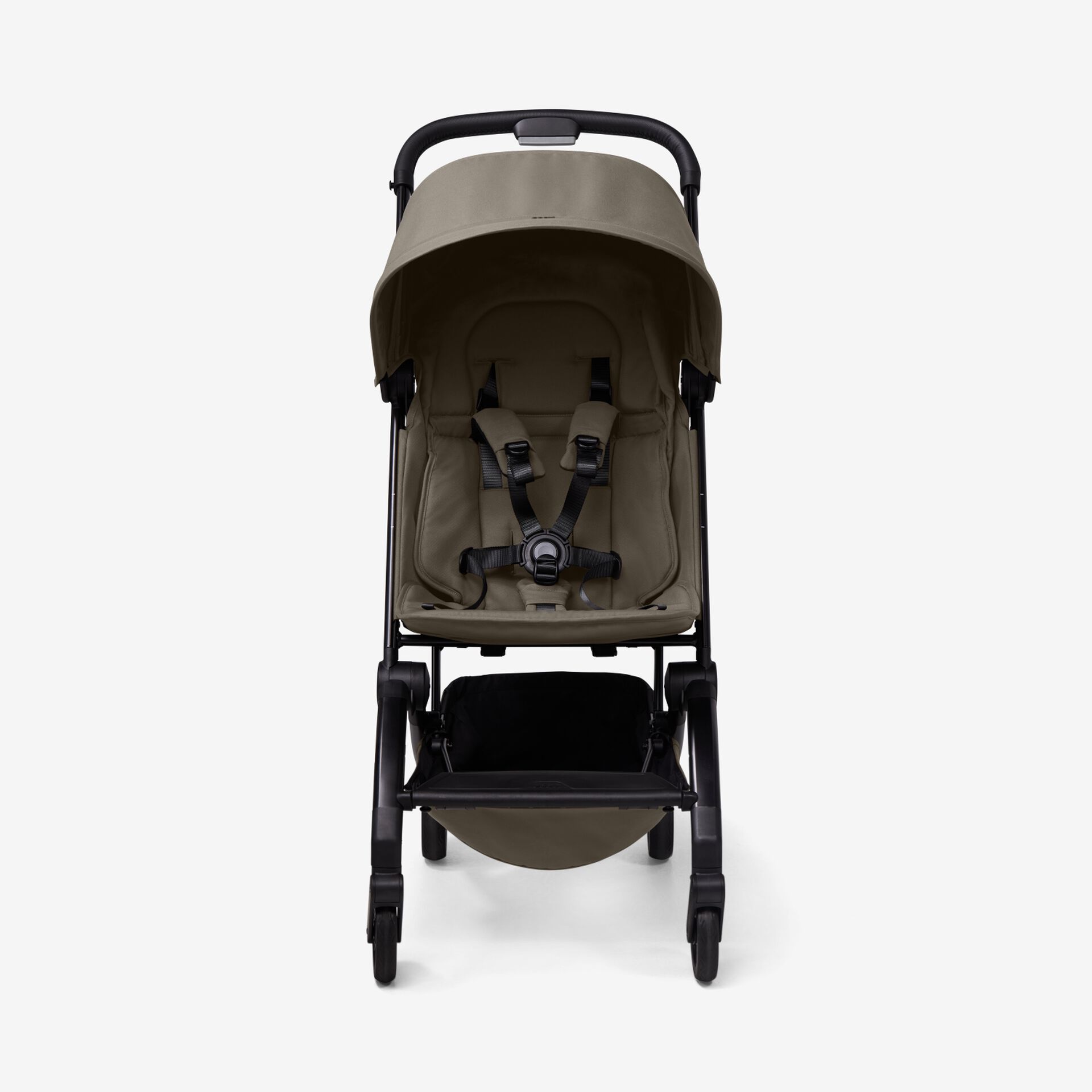
Joolz Aer+
Folded: 53.5 x 45 x 21.5 cm
Famous for its ultra-compact fold and light weight (6kg), making it a top choice for frequent flyers. The Joolz Aer+ also features a convenient peek a boo window, allowing parents to easily check on their child while on the go.
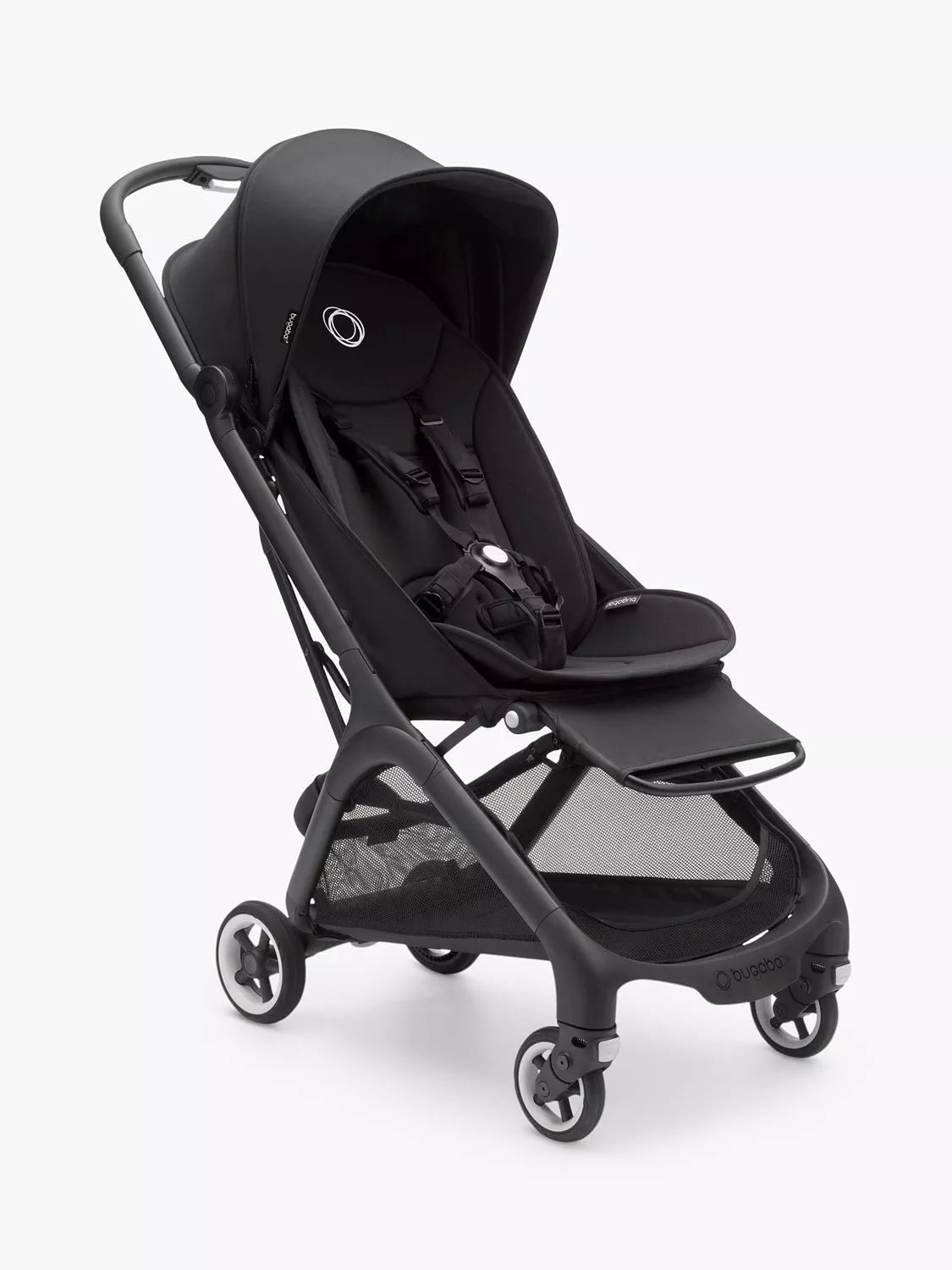
Bugaboo Butterfly
Folded: 54 x 45 x 23 cm
IATA approved and one of the sturdiest cabin strollers, with a superb one-second fold.
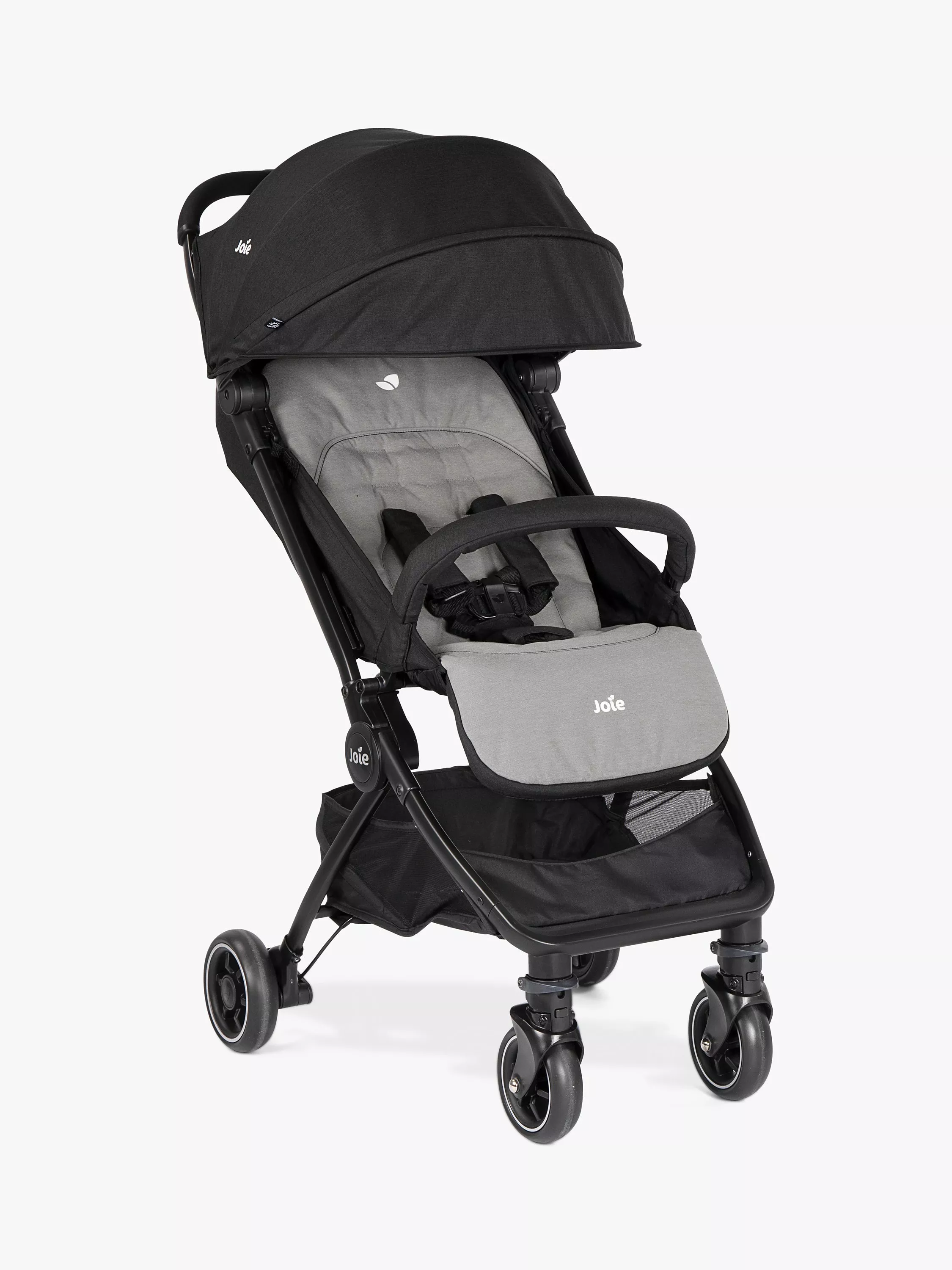
Babyzen YOYO²
Folded: 52 x 44 x 18 cm
The original game-changer. Renowned for its tiny fold that fits virtually anywhere.
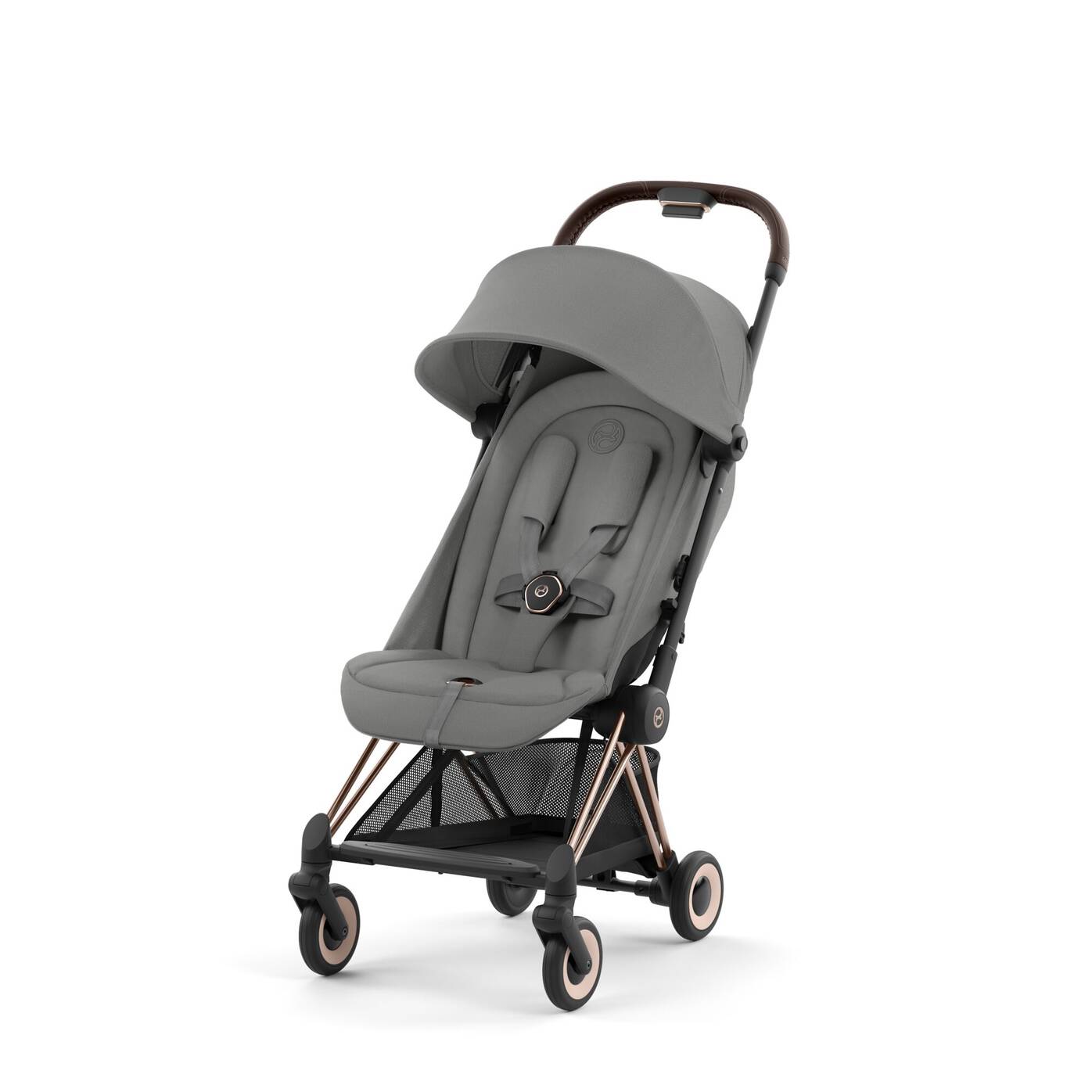
Cybex Coya
Folded: 52 x 44 x 18 cm
A luxury option with an elegant design and an effortless fold, designed specifically for air travel.
Gate Check vs. Desk Check Explained: What's Best for Your Stroller?
When you arrive at the airport, you have two main options for your pushchair (if it’s not small enough for the cabin): check it in at the ticket counter with your luggage as checked baggage, or take it with you through security and have it gate checked at the boarding gate.
Strollers checked at the ticket counter are stored in the aircraft hold or cargo hold. Gate checked strollers are usually returned at the aircraft door, but if not, you can collect them at baggage claim or in the baggage hall. Some airlines use an orange Return To Aircraft Door label or an aircraft door label to ensure strollers are returned directly at the aircraft door for your convenience. Here’s a breakdown to help you decide.
Gate Checking
You keep your pushchair with you through the airport, right up to the boarding gate. You fold it down just before you get on the plane, and airline staff take it to the hold.
Pros:
- Use your pushchair right up until you board — invaluable during long waits or delays
- Usually returned to the aircraft door on arrival — you have it immediately after landing
- Free on virtually all airlines — no need to count it as part of your luggage allowance
Cons:
- Handled without a protective bag — more exposure to scuffs and dirt
- Occasionally sent to baggage reclaim instead of the aircraft door — check the tag
Desk Checking
You check your pushchair in with your suitcases at the main check-in desk. You won't see it again until you get to the baggage carousel at your destination.
Pros:
- Can be packed in a padded travel bag for better protection against rough handling
- Hands-free through the terminal — useful if you're using a baby carrier instead
Cons:
- No pushchair to use in the terminal — harder during long waits with an unsettled baby
- Collected at baggage reclaim — you'll be waiting with a baby in your arms after a tiring flight
Our Recommendation
For almost all families, gate checking is the best option. The convenience of having your pushchair to navigate the terminal, especially during delays, far outweighs the small risk of damage. If you're travelling solo or have a toddler who likes to walk, desk checking in a padded bag can offer peace of mind, but be prepared with a good baby carrier.
How to Get a Stroller Through Airport Security (While Holding Your Baby)
Navigating the security line can be daunting, but a little preparation makes all the difference. Airport staff have seen it all before and are usually very helpful. Here's a step-by-step plan to make it painless:
Prepare in the Queue
Before you reach the front, start getting ready. Place jackets, liquids, and large electronics in a separate tray. Take everything out of the stroller's basket and pockets and put it in your bags or directly into a tray.
Take Your Baby Out
You will need to take your baby out of the stroller. You must carry them in your arms as you walk through the metal detector. A baby carrier can be a lifesaver here, keeping your hands free.
Collapse the Stroller
Fold the pushchair down completely. Staff will direct you to put it on the X-ray scanner belt, usually flat. If it's too large, they will have a separate, bigger scanner or will inspect it manually.
Travel System vs. Lightweight Stroller: What Do You Actually Need?
Walk Through and Reassemble
Once you and your baby are through the scanner, collect your belongings on the other side. Don't feel rushed—find a quiet spot just past the belts to reassemble your stroller, repack your bags, and get settled before heading to your gate.
Top Tip: Baby Carriers & Security
You are usually allowed to keep your baby in a soft-structured carrier (like an Ergobaby or BabyBjörn) when walking through the metal detector. However, you may be asked to remove it for additional screening. Slings with metal rings will almost always set off the alarm and should be put through the X-ray machine.
Packing Essentials for the Flight
When it comes to packing for your flight, having the right essentials on hand can make all the difference. Start with a well-stocked diaper bag—include plenty of nappies, wipes, a change of clothes, and any medications your baby might need. Don’t forget baby food, formula, baby milk, or snacks, especially for longer flights.
Be sure to check airline policies and government guidelines regarding carrying baby milk, as regulations can vary. If you’re bringing a stroller or car seat, pack any protective covers or bags to keep them safe from rough handling during transit. Many airlines allow you to gate check your stroller and car seat, which means you can use them right up to the aircraft door.
It’s also worth asking about baby changing facilities and play areas at the airport when you check in, as these can make your wait much more comfortable. By planning ahead and packing smart, you’ll be ready for anything your journey throws at you.
Which UK Airlines Let You Take a Pushchair AND Car Seat for Free?
Good news for travelling families: most UK-based airlines are very accommodating and allow you to check in essential baby equipment for free, in addition to your standard luggage allowance. Typically, an infant or child is entitled to two free items.
Most airlines allow you to bring one stroller and one car seat per child, but airline policies may vary depending on the airline and destination. Here’s a breakdown of the policies.
| Airline | Standard Free Allowance for an Infant | Notes |
|---|---|---|
| easyJet | 2 items | You can choose two items from: a pushchair, a car seat, a booster seat, or a travel cot. Booster seats are often included, and some airlines may allow an extra bag for baby items. |
| Ryanair | 2 items | 1 pushchair plus your choice of 1 other item: a car seat, booster seat, or travel cot. Booster seats are often included, and some airlines may allow an extra bag for baby items. |
| British Airways | 2 items | 1 pushchair plus 1 car seat. These are checked into the hold for free. Booster seats are often included, and some airlines may allow an extra bag for baby items. |
| Jet2 | 2 items | A collapsible pushchair and/or a car seat can be carried in the hold free of charge, up to a total weight of 10kg. Booster seats are often included, and some airlines may allow an extra bag for baby items. |
| Virgin Atlantic | 2 items | 1 fully collapsible pushchair (or stroller) and 1 car seat. Booster seats are often included, and some airlines may allow an extra bag for baby items. |
| TUI | 1 pushchair | TUI's policy is less generous. Pushchairs are free, but a car seat must be purchased as part of your checked luggage allowance. Booster seats are often included, and some airlines may allow an extra bag for baby items. |
For international flights, airline policies may differ, and it’s important to check with your airline, such as American Airlines, for specific rules regarding one stroller, one car seat, booster seats, and extra bag allowances. These policies can vary depending on your destination and the airline, so always confirm before you travel.
If your infant does not occupy their own seat, most airlines still require a ticket for the infant, which is often charged at a percentage of the adult fare according to airline policy.
Important Note on Car Seats
The policies above refer to checking a car seat into the hold. If you wish to use your own car seat on the plane for your baby, you must book a separate seat for them (paying the child fare) and ensure the car seat is approved for airline use. Always check this with the airline directly when booking.
If you wish to use a child restraint device or require an extra seat for your infant, you must book in advance and ensure the device is approved for airline use. Child restraint devices, such as car seats and booster seats, are often allowed without additional charges and are not included in your checked baggage allowance. Always review the latest airline policies to ensure a smooth journey.
Will My Cabin-Approved Stroller Fit in a Full Overhead Locker?
You’ve done your research and bought a stroller that meets the airline’s dimensions. For airplane travel, it’s important to also consider weight restrictions, as choosing a stroller that fits both size and weight limits for overhead bins will make your journey much smoother.
Keep in mind that locker sizes and storage policies can vary between different planes and aircraft types, so always check the specific requirements for your flight. But the big question remains: will there be space for it, especially on a completely full flight? Here’s the reality and how to maximise your chances.
The Challenge: Limited Space
Overhead locker space is finite. On a full flight, it’s a first-come, first-served situation. While your stroller is technically permitted, if the lockers are already full with roller bags and backpacks by the time you board, the crew will have no choice but to take your stroller and place it in the hold.
How to Secure Your Spot: A 3-Step Plan
Take Advantage of Pre-Boarding
This is your golden ticket. Almost all airlines invite families with young children to board first. Do it! Being one of the first on the plane means you get first pick of the empty overhead locker space directly above your seat.
Have it Ready to Go
Make sure your stroller is already folded and in its travel bag *before* you get to the aircraft door. Fumbling with the fold while a queue of passengers builds behind you is stressful and wastes valuable time.
Be Polite and Efficient
As you board, tell the cabin crew you have a cabin-approved stroller to stow. Place it in the locker quickly and take your seat. If you're struggling, the crew are more likely to help a parent who is prepared and efficient.
What If It Still Doesn't Fit?
Don't panic. If there truly is no space, the cabin crew will tag your stroller and put it in the hold. It's the same process as gate-checking, and it will usually be brought to the aircraft door for you upon landing. While not ideal, it's a standard procedure, so your stroller will still get to your destination safely.
The Best Bags & Covers to Protect Your Stroller When Flying
Whether you gate-check or desk-check, your pushchair is going to be handled by baggage staff. A good travel bag is a small investment that protects your expensive stroller from scuffs, dirt, and damage. Here are your main options:
Lightweight Gate Check Bags
These are typically bright red, thin nylon bags with a drawstring. They offer basic protection against dirt and grease but have no padding.
- Pros: Cheap, very lightweight, pack down small.
- Cons: No protection from impacts, can tear easily.
- Best for: Gate-checking a budget or older stroller; keeping your pushchair clean.
Padded Travel Bags
A significant step up in protection. These bags have foam padding, durable fabric, carry straps, and sometimes wheels.
- Pros: Good protection from bumps and scrapes, more durable.
- Cons: Bulkier to carry through the airport, more expensive.
- Best for: Desk-checking an expensive stroller or for parents who want peace of mind.
Brand-Specific vs. Universal Bags
Many premium brands like Bugaboo and Joolz sell their own custom-fit padded travel bags. These offer the best possible fit and protection but come at a high price. Universal padded bags (from brands like J.L. Childress) offer similar protection for a fraction of the cost and can fit a variety of stroller models.
Our Recommendation
For most people, a good-quality universal padded travel bag offers the best balance of protection, price, and practicality. If you are only ever gate-checking and want basic hygiene protection, a simple lightweight gate check bag will do the job. If you have a premium stroller, the brand-specific bag is the ultimate in protection.
Airport Facilities and Services
Airports across the UK are increasingly family-friendly, offering a range of facilities and services to make travelling with babies and children easier. Look out for dedicated baby changing facilities, play areas to help little ones burn off energy, and even nursing rooms for feeding in privacy.
Some airports and airlines, such as British Airways, go the extra mile by returning your stroller to the aircraft door at certain destinations, so you can get your child settled just a few steps after landing. If you need to rent a stroller or car seat, check with your departure airport in advance. Don’t hesitate to ask ground staff about available services—they’re there to help make your journey as smooth as possible for you and your family.
Airline Amenities for Families
Airlines understand that travelling with babies and young children comes with its own set of challenges, which is why many offer a range of family-friendly amenities to make your journey more comfortable. Onboard, you’ll often find baby changing facilities and, on some flights, play areas to help keep children entertained. Priority boarding is a common perk for families, giving you extra time to get settled in your seats and stow your stroller or car seat.
When it comes to feeding, many airlines provide baby food, formula, and milk free of charge, but it’s always wise to bring your own supplies just in case. If you need to book a separate seat for your child or bring a car seat or stroller into the cabin, check with your airline in advance—policies can vary, and some airlines, like British Airways, even offer to return your stroller to the aircraft door at certain destinations for added convenience. American Airlines allows one stroller and one car seat per child to be checked free of charge, making it easier to travel with all the essentials.
Don’t forget to ask about any special services when you book your flight. Many airlines are happy to accommodate families and will do their best to make your air travel experience as smooth as possible for you and your children.
Special Assistance and Services
Many airlines offer special assistance to families travelling with babies and young children, so be sure to take advantage of these services. This can include extra baggage allowance for car seats and strollers, priority boarding so you have more time to get settled, and help with gate checking your baby gear.
Some airlines even provide baby food, diapers, or breast milk storage onboard—just ask when you book or check in. If you have any questions about handling or transporting your stroller, car seat, or other baby gear, airline staff are usually happy to help. Planning ahead and making use of these services can make your flight more comfortable and stress-free for both you and your child.
Choose Your Airline: Baby Policy Guides
Every airline handles infant fees, pushchair rules, nappy bag allowances, and bassinet availability differently. We've written a dedicated guide for each major UK and European airline — covering the exact policies, booking tips, and what to watch out for before you book.
For a side-by-side comparison of all airlines on fees, bassinets, car seat rules, and nappy bag allowances, see our airline baby policies compared page.
Flight Delayed or Cancelled? AirHelp helps you claim up to €600 in compensation — even for past flights.
Check If You Can Claim✈️ Free Baby Hand Luggage Checklist
Never forget the essentials. Enter your email and we'll send the free checklist straight to your inbox — one page, every category, ready before every flight.
FAQs and Troubleshooting
Can I bring a stroller and car seat onboard the plane?
Most airlines allow you to bring one stroller and one car seat per child, but policies can vary depending on the airline and your destination. Always check with your airline before you travel to confirm their specific rules regarding car seats and strollers.
How do I gate check my stroller?
To gate check your stroller, simply bring it with you to the boarding gate. Let the airline staff know you’d like to gate check it, and they’ll provide a gate-check tag. Your stroller will be taken at the aircraft door and typically returned to you at the same spot upon arrival.
What are the weight and size restrictions for strollers and car seats?
Weight and size restrictions for strollers and car seats vary depending on the airline. It’s important to check your airline’s guidelines before you fly to ensure your stroller and car seat meet their requirements for cabin or hold storage.
Can I bring baby food and milk onboard?
Yes, most airlines allow you to bring baby food and milk onboard, even in quantities above the usual liquid limits for carry on items. However, it’s always best to double check with your airline for any specific restrictions or documentation you may need.
How do I protect my stroller from rough handling during air travel?
To protect your stroller from rough handling, use a sturdy travel bag or padded cover. This helps prevent damage during loading and unloading. Always check with your airline for any recommendations or requirements regarding protective covers for strollers and car seats.
Can I take breast milk through airport security in the UK?
Yes. Breast milk, formula, and expressed milk are all exempt from the 100 ml liquid restriction on UK flights. You can bring as much as you reasonably need for the journey. Security staff may ask you to open containers for testing, but cannot require you to taste the milk. Gov.uk confirms this exemption for all UK airports.
At what age can a baby fly for the first time?
Most airlines allow babies to fly from 2 weeks old, though some require a minimum of 7 days. There is no upper age restriction for infants. Many paediatricians and the NHS suggest waiting until at least 2–3 months if possible, to allow time for initial vaccinations. Always check your specific airline’s infant policy before booking.
Do babies need their own seat on a plane?
Children under 2 can fly as a lap infant on most airlines, meaning they sit on a parent’s lap and usually travel free or at a reduced fare on international routes. For safety, many aviation authorities — including the CAA — recommend booking a separate seat and using an approved child restraint system for longer flights.
Do babies fly free in the UK?
Lap infants under 2 fly for free on most domestic UK routes, but international flights usually charge a percentage of the adult fare — typically 10%. You’ll also pay airport taxes on top. A paid seat for your baby’s car seat is always an option, and worth considering on longer flights for both safety and comfort.
Do I need to buy a seat for my baby on a plane?
No — infants under 2 can travel on a parent’s lap without a separate seat. However, buying a seat means you can use an approved car seat, which is safer and gives you both more room. On long-haul flights especially, it can make a significant difference to comfort for everyone on board.
What do I need to fly with an infant?
You’ll need your baby’s passport, their birth certificate (some airlines ask for it), and proof of age for lap infant bookings. Pack nappies, milk or formula, snacks if weaning, a change of clothes for both of you, and something to help with ear pressure during descent. See our full flying with a baby checklist for a complete rundown before you head to the airport.
If you have any other questions or concerns, don’t hesitate to ask airline staff at the boarding gate or check in—they’re there to help make your journey as smooth as possible for you and your child.
Conclusion and Final Tips
Air travel with babies or toddlers can be a rewarding experience with the right preparation and mindset. By choosing the right stroller for your needs, familiarizing yourself with airline policies, and making use of available amenities, you’ll be well-equipped to handle the unique challenges of flying with young children. Always check in advance for the latest airline policies on strollers, car seats, and other baby gear, as these can change and may vary between airlines.
Arrive early at the airport to allow plenty of time for check in, security, and any unexpected delays. Pack essential baby items—like nappies, wipes, snacks, and a change of clothes—in an easily accessible bag. Consider using a baby carrier to keep your child close and your hands free, especially when navigating busy terminals or boarding the plane.
For quick, low-mess ideas you can pull out at a moment's notice, our Busy Bag 5-Minute Challenge Cards give you printable activity prompts designed for flights, queues, and restaurant waits — £4.99 as an instant download.
Don’t hesitate to ask for help from airline staff—they’re used to assisting families and can make your journey much easier. With thoughtful planning and a positive attitude, you can turn air travel with your baby or toddler into a smooth and enjoyable adventure for the whole family. For destination ideas once you’ve landed, our guides to baby-friendly European holidays and long-haul destinations with a baby cover where to go next. And if you’re thinking about what age to start flying, our age-specific guides — including newborn travel and 6-month-old travel — give you the honest picture for each stage.