
Choosing your first pushchair can feel overwhelming. The terminology alone is confusing: prams, buggies, strollers, travel systems… what’s the difference? The biggest choice you’ll face is between a full-feature “travel system” and a compact, “lightweight stroller.” They serve very different purposes, and the right one for you depends entirely on your lifestyle, where you live, and how you travel. There is a wide selection of travel systems and strollers available, catering to different needs and preferences.
If you live in a busy urban area, city use often requires more compact, maneuverable options that are easy to handle on public transport and in tight spaces.
Let’s demystify the options to help you invest in the right wheels for your family. Many strollers are designed to adapt as your child grows, offering features like adjustable seating and higher weight capacities.
If you plan to do a lot of walking with your baby, travel systems and strollers are specifically designed to make transitions from car to pushchair easy and convenient, making daily walks and outings more manageable for parents.
Most parents find themselves weighing convenience against portability when making this decision.
What is a Travel System?
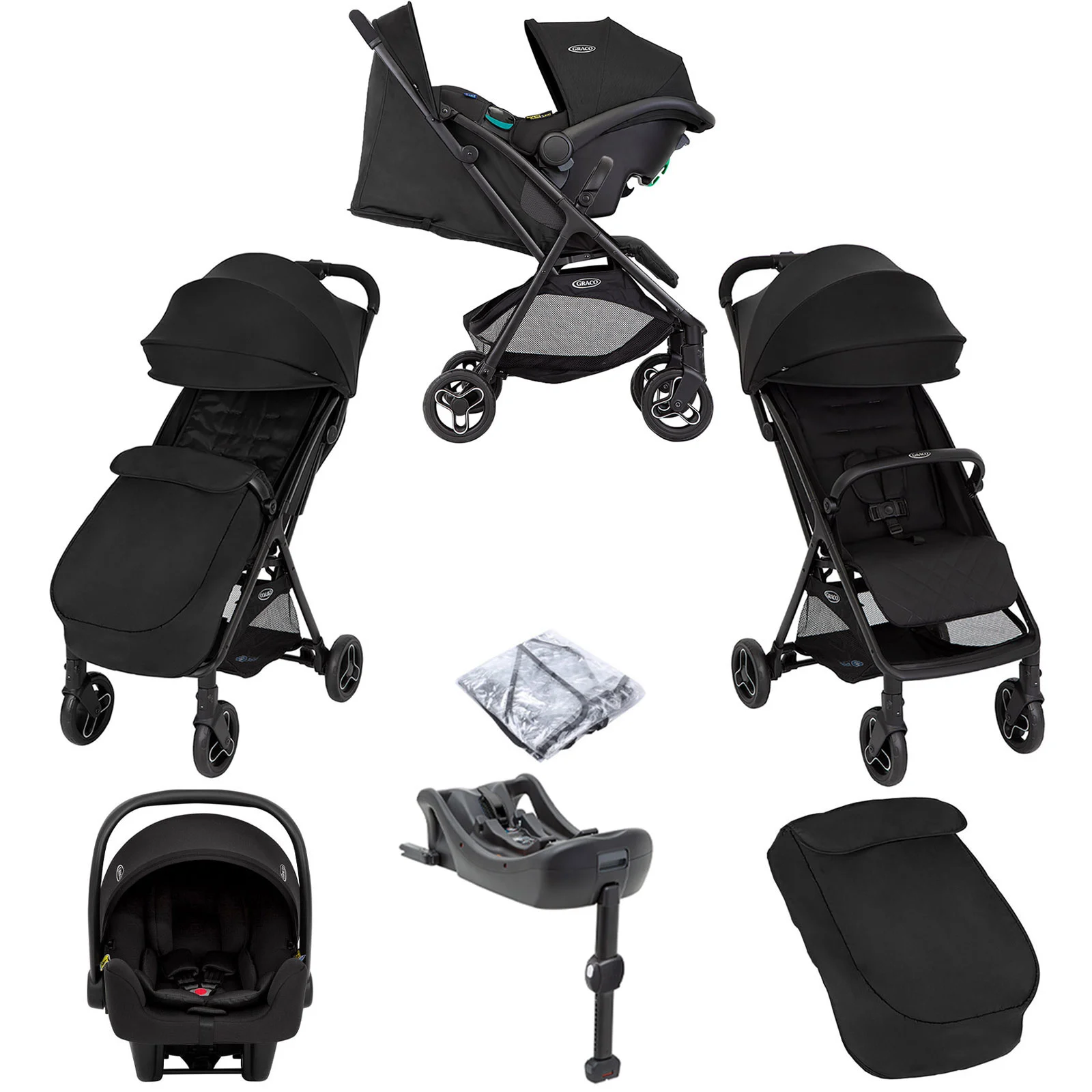
A travel system is an all-in-one package. It typically consists of a single chassis (the frame and wheels) that can accommodate multiple components: an infant car seat, a lie-flat bassinet (or pram cot), and a toddler seat. Travel systems are designed to have a long life, supporting your child from birth through toddlerhood as they grow and develop. The key benefit is convenience: you can click your infant car seat directly from the car onto the pushchair frame without waking your sleeping baby, keeping your child comfortable during transitions. Travel systems are effective in supporting your baby as they grow, adapting to the needs of a growing child. They are specifically designed to support your baby's development by accommodating key physical milestones, such as when your baby is able to sit up or needs to transition to different seating positions. They often provide more space for your baby, enhancing comfort and allowing for easier movement. When your child outgrows the infant car seat, you can move to the next stage by switching to the toddler seat, ensuring continued comfort and safety.
Components of a Travel System
A travel system is made up of several essential parts that work together to make life easier for new parents. At its core, every travel system includes an infant car seat, a pushchair frame, and a seat unit. The infant car seat is specially designed for newborn babies, providing the support and protection they need from their very first journey. This car seat can be easily detached from its base in the car and clicked onto the pushchair frame, allowing you to move your baby without disturbing their sleep.
The pushchair frame acts as the sturdy foundation for the whole travel system. It’s built to securely hold both the infant car seat and the seat unit, giving parents the flexibility to switch between them as their baby grows. The seat unit, sometimes called the pushchair seat, is where your baby will sit once they’re ready to move on from the car seat. Many travel systems also offer handy extras like a carrycot for those early months, a footmuff for chilly days, and a seat liner for added comfort.
Understanding these components helps parents choose a travel system that truly fits their baby’s needs, ensuring a smooth and comfortable ride from newborn through to toddlerhood.
Pros of a Travel System
- Ultimate Newborn Convenience: The car-seat-to-chassis click is a game-changer for errands.
- Perfect for Daily Outings: Travel systems make routine trips, like daily outings to the supermarket or school run, much easier for parents.
- All-in-One Solution: You get everything you need from birth to toddlerhood in one purchase.
- Comfort and Features: Often have larger, sturdier wheels, better suspension, and more premium features like reversible seats.
Cons of a Travel System
- Heavy and Bulky: They are often large and heavy, making them difficult for public transport or carrying up stairs.
- Takes Up Space: The frame can take up most of your car boot, and the separate components need storing at home.
- Expensive: A full system is a significant upfront investment.
Safety Considerations
📋 Free Baby Holiday Packing Checklist
Enter your email and we'll send the free printable checklist straight to your inbox — every category, ready to tick off before every trip.
When it comes to choosing a travel system, safety is always at the forefront for new parents. The right car seats and pushchair seat units are essential for your baby’s safety and comfort from the very first journey home. Ensuring your baby's safety means choosing products that meet the latest car seat standards and safety guidelines. Most infant car seats are specially designed for newborns and young babies, with a typical weight limit of around 13 kg and a height limit between 71 and 81 cm. It’s crucial to check the manufacturer’s guidelines for your specific car seat, as exceeding these limits means it’s time to move your child into a convertible car seat for better protection as they grow.
The pushchair frame and seat unit are just as important for your child’s safety. Adhering to weight limits and manufacturer guidelines is crucial for maintaining your child's safety when using strollers and carrycots. A sturdy pushchair frame supports the seat unit, which should include a secure harness to keep your baby safe whether they’re lying flat or sitting upright. For the early months, many parents choose a travel system with a lie-flat position, as newborns need to sleep on a flat surface to support healthy development. As your baby grows and begins to sit independently, the pushchair seat unit can be adjusted to an upright position, giving your child a comfortable and safe way to explore the world.
It’s also important to remember that, according to the Lullaby Trust, babies should not remain in car seats for more than two hours at a time. Regular breaks allow your baby to stretch and move, which is vital for their development. Always ensure your car seat is installed correctly—using an ISOFIX base where possible—for maximum safety in the car.
When selecting a travel system, look for features that support your child’s safety at every stage: a robust pushchair frame, a seat unit that can be adjusted from a lie-flat to an upright position, and a harness that keeps your baby secure. Make sure the car seat and pushchair seat unit are suitable for your baby’s weight and height, and that they comply with the latest UK safety standards.
By staying informed and choosing a travel system with proven safety features, parents can feel confident that their little one is protected on every outing. Whether you’re navigating city streets or heading out for long walks, prioritising your child’s safety ensures peace of mind for the whole family.
What is a Lightweight Stroller?
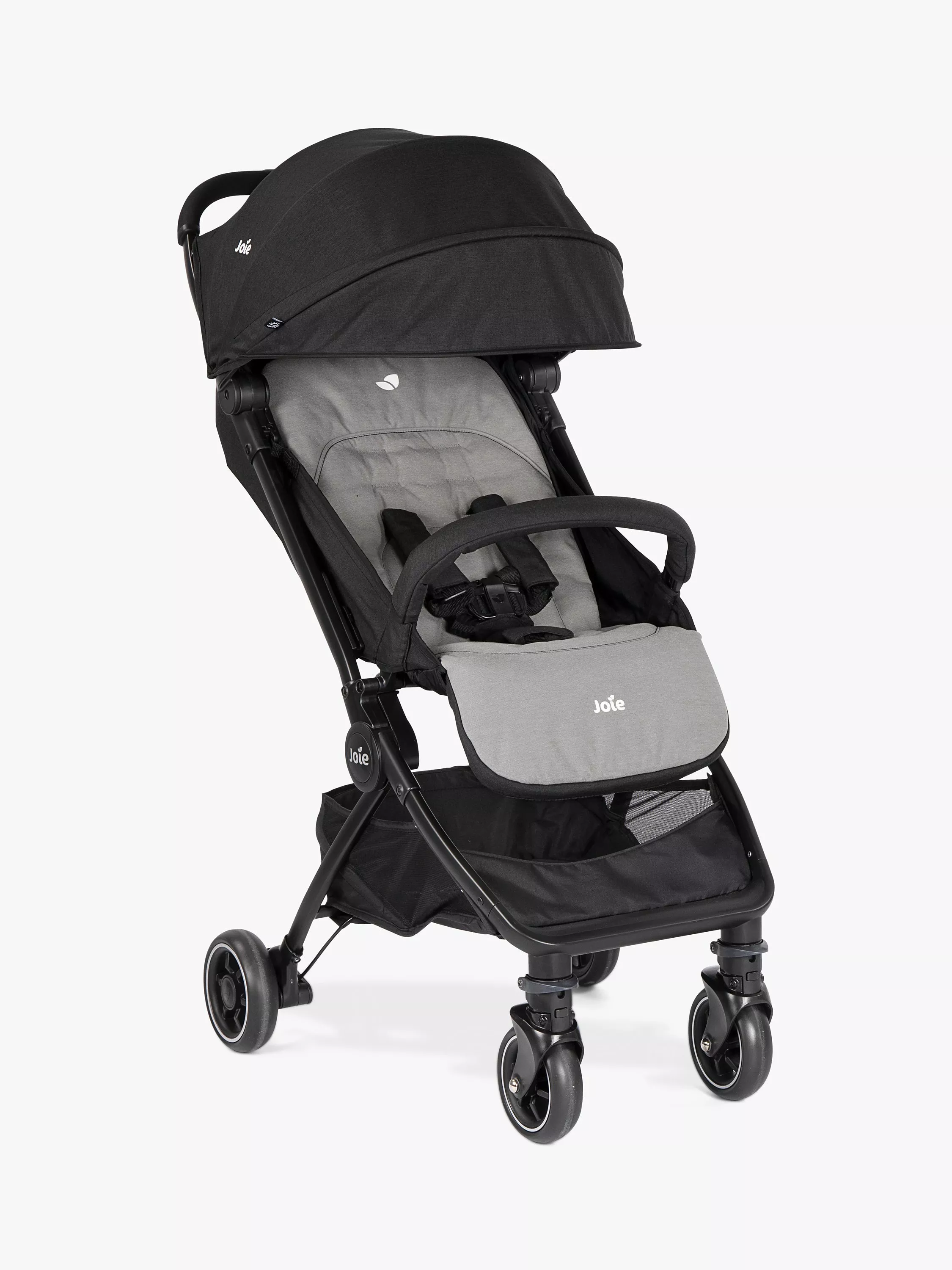
A lightweight stroller (often called a travel or compact stroller) is a type of pushchair designed for portability and convenience. Pushchairs refer to wheeled devices for transporting babies and children, and lightweight strollers are a popular option within this category. Their main goals are to be light to carry and to have a compact, often one-handed, fold. Many lightweight strollers can be folded flat for easy storage and transport, making them ideal for travel or saving space at home. While traditionally for older babies, many modern lightweight strollers now offer lie-flat seats or adapters for car seats, blurring the lines. Many lightweight strollers also feature a forward facing position, which can affect the baby's comfort and level of stimulation during outings. These strollers can accommodate children of various ages, including toddlers, by providing adjustable seating and higher weight capacities. For parents with two children, double buggy options are also available, offering configurations for both children to ride comfortably.
Pros of a Lightweight Stroller
- Incredibly Portable: Easy to fold, light to carry, and perfect for city living, public transport, and flying.
- Space-Saving: Fits in the smallest car boots and won't clog up your hallway.
- More Affordable: Generally costs much less than a full travel system.
Cons of a Lightweight Stroller
- Fewer Features: Smaller wheels, less suspension, smaller baskets, and often non-reversible seats.
- May Not Be Newborn-Ready: Not all models are suitable from birth without purchasing extra accessories like a bassinet.
Real-World Considerations
When it comes to using a travel system day-to-day, there are a few practical factors that many parents find make all the difference. One of the most important is the weight limit of the infant car seat—most infant car seats are suitable up to around 13 kg, which means most babies will outgrow them by 12 to 15 months. After this, you’ll need to move to a pushchair seat unit or a convertible car seat that can handle a growing toddler.
The pushchair seat unit itself usually has a higher weight limit, often around 22 to 23 kg, making it suitable for toddlers up to about 3 or 4 years old. Another key consideration is the folded size of the pushchair. If you have a small car or limited storage space at home, you’ll want a travel system that folds down compactly and fits easily in your car boot or hallway.
Many parents find it helpful to visit a shop and try out different travel systems in person. Testing how easy it is to fold, lift, and manoeuvre the pushchair frame can help you find the best fit for your lifestyle. Thinking about your daily routine, storage needs, and how you’ll use the travel system will help you make a choice that keeps both you and your baby happy.
Signs It’s Time to Move On
Knowing when to move on from your infant car seat or pushchair seat unit is key to keeping your child safe and comfortable. The most obvious sign is when your baby exceeds the weight or height limit set by the manufacturer for the infant car seat—usually around 13 kg or when your baby’s head is close to the top of the seat. At this point, it’s time to switch to a convertible car seat, which offers better protection for a growing child.
Similarly, if your toddler is getting too big for the pushchair seat unit or is showing signs of wanting to walk more, it might be time to consider a lightweight stroller. Another sign is your child’s development: once your baby can sit upright and support their own head, they may be ready to move from a lie-flat pushchair seat to a more upright stroller. Always keep your child’s safety and comfort in mind, and don’t rush the transition—every child develops at their own pace.
Making the Switch
Transitioning from an infant car seat to a convertible car seat, or from a pushchair to a stroller, is a big step for both parents and babies. To make the switch as smooth as possible, start by considering your child’s needs and development stage. When moving to a convertible car seat, make sure it’s installed correctly in your car and that your child is securely fastened according to the manufacturer’s instructions. Check the weight capacity and ensure the seat offers enough space for your growing child.
If you’re moving from a pushchair to a stroller, look for features that suit your lifestyle, such as a lightweight frame, easy folding mechanism, and adequate storage space for daily outings. Take time to let your child get used to the new seat, and make sure they’re comfortable and supported, especially if they’re still getting used to sitting upright. By planning ahead and choosing the right equipment, you can ensure every journey is safe and enjoyable for your little one.
The Verdict: Which is Right for You?
The choice comes down to your primary mode of transport and lifestyle. Parents should also consider their baby's development and age when making this decision, as these factors play a crucial role in choosing the right option. Most babies are ready to transition from a pram to a pushchair or stroller around six months, when they can sit upright and have good head control. As your baby begins to walk or becomes more active, their needs may change, and the type of stroller or travel system you choose can impact their comfort and safety as they grow into an older child.
Choose a Travel System if...
You will be driving a lot and rely on a car for most journeys. Travel systems make it easy to move a baby who is being carried in a car seat without disturbing them. Rear facing car seats are recommended for baby's safety, and UK law requires children to use appropriate rear facing restraints until they reach the legal age or size.
You live in a suburban or rural area with plenty of space and smooth pavements.
You want an all-in-one purchase and don’t want to think about buying another pushchair later. Most carrycots have specific weight and size limits; when your baby exceeds these, it's time to transition to the next stage. Safety experts recommend following all guidelines to ensure your child's safety. Choosing a travel system helps ensure both baby's safety and child's safety at every stage.
Choose a Lightweight Stroller if...
You live in a city and primarily use public transport.
You fly frequently or take lots of weekend trips.
You have a small car or limited storage space at home.
You are looking for a more affordable option or a second pushchair for travel.
The Hybrid Option: The Best of Both Worlds?
Many parents find a happy medium. You can create a "lightweight travel system" by choosing a compact stroller that is compatible with a car seat (using adapters). Models like the Babyzen YOYO² and J_o_olz Aer+ are famous for this. This gives you the newborn click-and-go convenience for the first few months, combined with the portability of a travel-friendly frame. It's often the perfect solution for modern families who do a mix of driving and city living.
✈️ Free Baby Hand Luggage Checklist
Never forget the essentials. Enter your email and we'll send the free checklist straight to your inbox — one page, every category, ready before every flight.
Frequently Asked Questions
How do I choose between a stroller and a car seat combo?
The key question is how much driving you do. If you regularly transfer a sleeping baby from car to pram without waking them, a travel system is genuinely useful. If most of your journeys are on foot or public transport, a lightweight stroller is more practical day-to-day and considerably easier to manage on buses, trains, and up flights of stairs.
When should I switch from a travel system to a lightweight stroller?
Most families make the switch between 6 and 12 months — once their baby can sit with support and no longer needs a flat-lie carrycot for naps. By this point, the car seat component is used less frequently, and the travel system chassis feels heavy compared to compact alternatives. A lightweight stroller also becomes more practical once your baby is active and alert.
Is a travel system worth it for a newborn?
For many families, yes — the ability to click the car seat onto the pushchair frame without disturbing a sleeping newborn is a genuine daily convenience. It also removes the need to buy a separate carrycot. However, travel systems are heavier and bulkier than lightweight strollers. If you rely on public transport or live in a flat without a lift, the trade-off may not be worth it.
Can I use a lightweight stroller from birth instead of a travel system?
Some lightweight strollers are suitable from birth with a full recline, but many have a minimum age of 6 months. Check the manufacturer's specification carefully. If you want to skip a travel system entirely, look for a lightweight pushchair with a near-flat recline (around 160°+) and good head support — or pair a stroller with a baby carrier to cover the early months.
What's the difference between a travel system and a pram?
A pram is a generic term for any wheeled baby transport. A travel system is a specific configuration: a pushchair chassis that accepts an infant car seat via click-and-go adaptors, typically including a carrycot for newborn use. Most travel systems are technically prams — the key distinction is the car seat compatibility, which allows one frame to cover car journeys, pram walks, and everything in between.
Which lasts longer — a travel system or a lightweight stroller?
A travel system typically covers birth to around 3–4 years on one frame. A lightweight stroller is usually suitable from 6 months to 3 years. If you want one purchase for the full journey, a travel system is the longer-lasting investment — though lightweight strollers are substantially cheaper if you're happy to use a different solution in the newborn stage.