
Best Car Seat Compatible Stroller UK (Practical Parent Guide)
By BabyTravel UK Editorial Team · Last updated July 2026
A car-seat compatible stroller can save serious time when you are moving between car, errands, and home. The best options are not just adapter-compatible on paper; they are stable, easy to click in, and genuinely manageable when you are tired.
This guide focuses on UK parents searching for a stroller that is genuinely compatible with infant car seats, including adapter fit, stability, and day-to-day transition ease.
This guide is designed for real decisions under real pressure, not vague checklist writing. You will get practical selection criteria, product comparisons, and clear next steps.

Quick picks table
| Category | Product | Link |
|---|---|---|
| Best Overall | Maxi-Cosi Zelia S Trio 3-in-1 Prams Travel System | Check price |
| Best Lightweight Setup | Baby Jogger City Tour 2 | Check price |
| Best Premium | Bugaboo Butterfly + car seat adapters | Check price |
| Best Value | Graco Myavo | Check price |
How to choose a car seat compatible stroller in the UK
The intent behind best car seat compatible stroller UK is about safe transition workflow, not just adapter claims. Check exact model compatibility and click-in stability for your specific infant seat.
In practice, the best systems reduce transfer stress during school runs, errands, and short stop days while remaining easy to fold and store.
Top product breakdowns
📋 Free Baby Holiday Packing Checklist
Enter your email and we'll send the free printable checklist straight to your inbox — every category, ready to tick off before every trip.
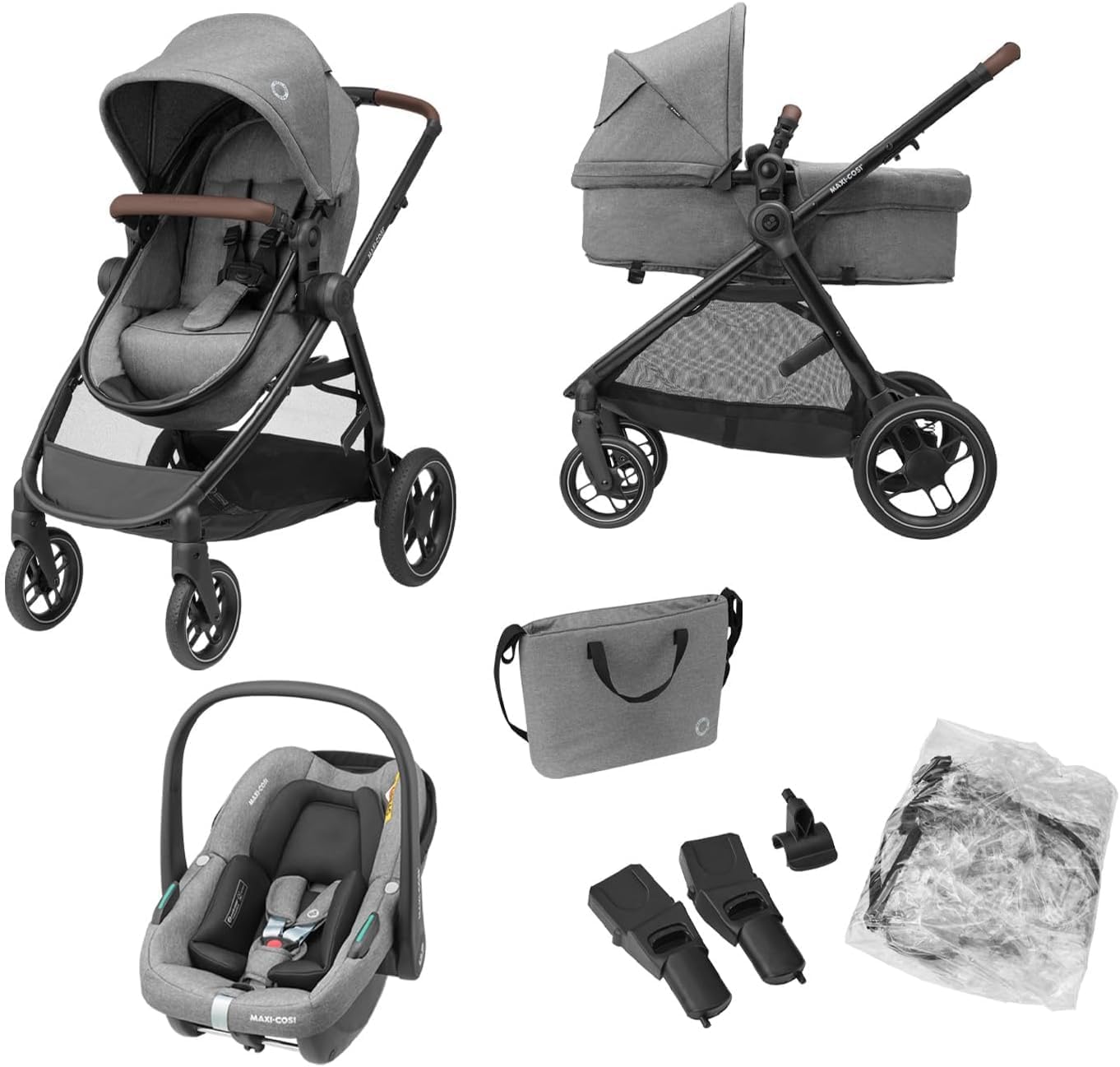
Maxi-Cosi Zelia S Trio 3-in-1 Prams Travel System (Best Overall)
Why it works: strong everyday usability with practical fold and handling performance.
Check before buying: folded fit in your storage/car setup and comfort during a realistic outing.

Baby Jogger City Tour 2 (Best Lightweight Setup)
Why it works: strong everyday usability with practical fold and handling performance.
Check before buying: folded fit in your storage/car setup and comfort during a realistic outing.

Bugaboo Butterfly + car seat adapters (Best Premium)
Why it works: strong everyday usability with practical fold and handling performance.
Check before buying: folded fit in your storage/car setup and comfort during a realistic outing.

Graco Myavo (Best Value)
Why it works: strong everyday usability with practical fold and handling performance.
Check before buying: folded fit in your storage/car setup and comfort during a realistic outing.
Detailed decision framework
Step 1: define non-negotiables
Write three non-negotiables before shopping. Example: must fit current boot opening, must fold one-handed, must remain comfortable for 90-minute outings. This prevents impulse buying and keeps you focused on what actually affects your week.
Step 2: score by routine impact
Score each shortlisted product for fold reliability, carry effort, steering control, child comfort, and storage practicality. A simple 1–5 score creates clarity quickly and makes trade-offs visible.
Step 3: decide by stress reduction
The best purchase is the one that reduces recurring stress in your real route pattern. If a product saves time and effort repeatedly, it is usually better value than a model with flashy extras you rarely use.
Practical scenario testing
Weekday rush: check fold speed and doorway transitions.
Long outing: check seat comfort, shade, and handling fatigue.
Travel day: check carry effort, loading sequence, and setup speed at transitions.
Run all three scenarios before finalising. One strong scenario is not enough.
Budget and value planning
Budget decisions should include total use period, likely resale value, and replacement risk. A slightly higher upfront cost can be better value if the stroller remains reliable across heavy weekly use. Cheap replacements often cost more over time.
Keep accessories lean. Over-accessorising creates fold friction and extra hassle. Choose only items that consistently save time or improve comfort.
Maintenance routine that preserves performance
- clean wheel and joint areas monthly
- check fold lock points every two weeks
- tighten loose fittings early
- dry frame/fabrics after wet outings
These habits keep handling consistent and extend product life.
30-day post-purchase review
Use a structured 30-day review. Week one: transition speed. Week two: comfort under longer use. Week three: storage and loading friction. Week four: accessory cleanup and final setup tuning. This process helps you lock in an efficient routine quickly.
If a repeated pain point remains after four weeks, address setup first before replacing product. Most frustration comes from sequence and accessory choices, not from the base stroller alone.
UK travel policy checks
Before flight use, verify rules via CAA passenger guidance, CAA baggage guidance, and GOV.UK hand luggage restrictions.
Advanced parent decision playbook
If you want fewer purchase regrets, move from “best product” thinking to “best fit for my routine” thinking. Most families do not need the most expensive setup; they need the setup that performs consistently in real situations. This section gives you a practical process you can use with any shortlist.
Start by mapping your week: where you go, how often, and what usually causes delay or stress. Then rank those friction points by frequency. High-frequency friction should dominate your decision. This sounds simple, but it is where most buying decisions go wrong.
Build a realistic route map
Write down your top three routes. Include doorway exits, lift or stair use, pavement quality, storage constraints, and transition timing. Be specific. A route map built from real life is more valuable than generic internet checklists.
Once mapped, test each shortlisted model on the same route pattern. Keep bag load and timing pressure similar. If one product feels easy only in ideal conditions, it will likely become frustrating in everyday conditions.
Use measurable criteria, not just feelings
| Criteria | What to measure | Good signal |
|---|---|---|
| Fold reliability | 3 repeat folds under mild pressure | No hesitation, no retries |
| Carry effort | 20–30 second carry with realistic load | Stable grip, low strain |
| Steering control | Mixed pavement + curb transitions | Predictable tracking |
| Comfort retention | 20–40 minute outing | Child remains settled |
| Storage practicality | Access to essentials while moving | No repeated repacking |
Keyword-specific buyer traps to avoid
Most poor outcomes come from buying for occasional scenarios instead of the core use case this page targets. Keep your shortlist anchored to the actual keyword intent and practical routine, then validate with one realistic comparison run.
Plan for the next 6–12 months
Needs shift quickly in the first year. Baby growth, travel frequency, weather changes, and storage reality all evolve. Choose setups with sensible flexibility, but avoid complicated accessory stacks that add friction. Simpler systems usually perform better in real life.
If your routine is likely to change soon, prioritise models with adaptable seating, straightforward fold flow, and easy-to-source accessories. This helps you keep the same core system longer.
Comfort and ergonomics matter more than spec sheets
Spec sheets can look excellent while real use still feels awkward. Pay attention to hand position during fold, wrist angle while steering, and lower-back effort when loading. Ten minutes of realistic testing reveals more than dozens of online comparisons.
For children, look beyond padding. Posture support, harness adjustability, recline function, and canopy usefulness are what sustain comfort during real outings.
Accessory strategy that stays lean
Keep accessories purposeful. Add only what saves time or meaningfully improves comfort. Too many fixed accessories can make folding harder and storage more chaotic. A lean setup is usually faster, easier to clean, and easier to maintain.
- one essentials organiser only
- one weather protection setup
- remove low-use extras after two weeks
Monthly maintenance checklist
- Wipe joints, hinges, and wheel contact points.
- Check lock points and moving parts.
- Tighten loose fixtures before they worsen.
- Dry frame and fabrics after wet days.
- Retest fold and steering consistency.
Small maintenance routines prevent the gradual decline that often gets blamed on “bad product quality.”
Budget framework that protects value
Set a total budget and split it into core product and essentials. Many families overspend on extras and underspend on the base product. The chassis and fold system usually have the biggest day-to-day impact, so allocate budget there first.
Resale matters too. Better-maintained products with sensible wear hold value better, which can significantly reduce total ownership cost.
Decision confidence check
- I can use it without overthinking steps.
- I can load/store it in my real setup.
- It handles my most frequent route well.
- Comfort is stable over realistic durations.
- The spend matches expected weekly use.
If these are all true, your decision is likely strong. If one is unclear, test once more before buying.
Final practical takeaway
Great outcomes come from repeatable routines, not perfect products. Choose the model that makes your ordinary week smoother, keep the setup lean, and review fit every few months. That process is what turns a good purchase into a genuinely high-value one.
Field-tested comparison routine
When two options are close, run a fast field-tested routine over three separate outings. Day one should be a normal weekday route. Day two should include longer duration with more child seat time. Day three should simulate a high-pressure transition day with less prep time. Track what actually slows you down.
Use the same essentials kit for each run so results are comparable. Keep notes brief: fold speed, carry effort, steering confidence, child comfort, and how often you had to stop and adjust. This practical dataset beats guesswork and usually makes the decision obvious.
At the end, choose the option that feels most repeatable under stress. Reliable repeatability is usually worth more than small feature advantages on paper.
What to do if you already bought and feel unsure
If your current setup feels frustrating, do not replace immediately. First simplify accessories, rebalance packing, and rehearse a cleaner transition sequence. Many performance issues improve quickly with setup optimisation.
If friction remains after two weeks of adjustments, then evaluate replacement. This staged approach avoids unnecessary spending and helps you identify exactly what should change in your next purchase.
Parent confidence checklist before final checkout
- The folded shape fits your real storage and car routine.
- Fold and unfold are predictable without repeated attempts.
- The push feels controlled on your common surfaces.
- Your child remains comfortable for realistic outing length.
- The total system cost matches your usage intensity.
If you can confidently say yes to each point, your decision quality is high and replacement risk is lower.
Six-month ownership view
Before finalising, project how this setup will feel in six months. Ask whether it still matches your likely route mix, child comfort needs, and storage constraints. Products that feel “fine for now” can become expensive if they force early replacement. A stronger choice is one that remains straightforward as your routine evolves.
Also consider who else will use it. If partner, grandparents, or childcare support will handle outings, ease-of-use for multiple users becomes essential. A setup that only one person can manage quickly is a hidden friction cost.
Finally, keep your decision notes. The habits and preferences you identify now will improve every future gear purchase and reduce trial-and-error spending.
Related reading
- What to look for in a travel stroller
- Is a travel pushchair worth it?
- Tips for flying with a baby and stroller
✈️ Free Baby Hand Luggage Checklist
Never forget the essentials. Enter your email and we'll send the free checklist straight to your inbox — one page, every category, ready before every flight.
FAQ
How do I confirm a stroller is genuinely car-seat compatible?
Check specific adapter compatibility for your exact car-seat model, not just brand-level claims. Compatibility can vary within the same brand range.
Are adapters safe for daily use?
Yes, when used correctly and locked properly. Always test click-in stability and release flow before regular use.
Should compatibility matter after the newborn stage?
Its importance reduces over time. Once your child is using the stroller seat more often, handling comfort and fold practicality usually matter more.
What is the most common compatibility mistake?
Buying stroller and car seat separately without checking exact adapter version compatibility first.
Can a compatible setup still be a bad fit?
Yes. A technically compatible system can still be awkward if fold flow, carry effort, or steering are poor for your daily routine.