
Best Stroller for Rainy UK Weather (Real-World Parent Guide)
By BabyTravel UK Editorial Team · Last updated July 2026
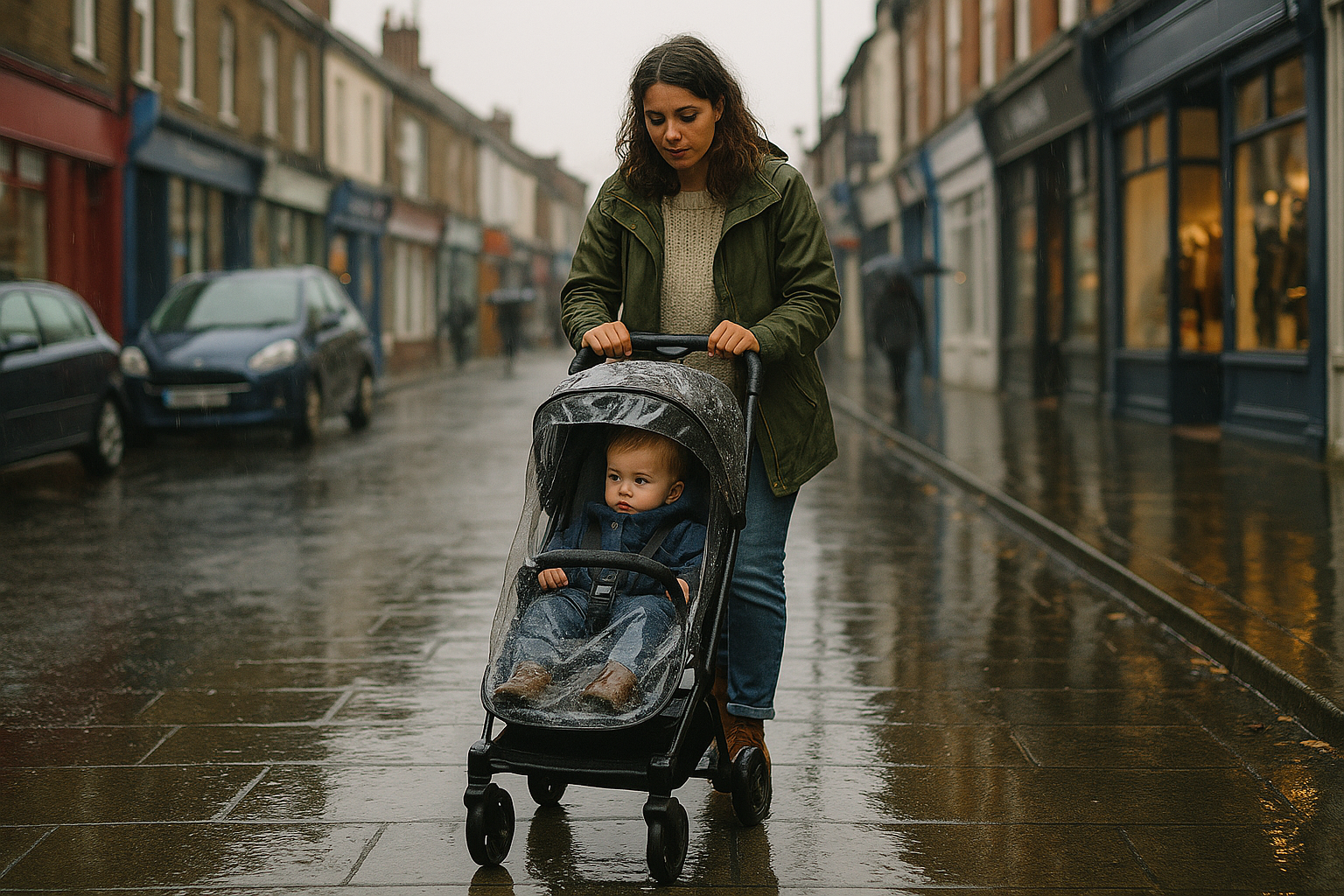
Rain in the UK is not rare, so your stroller setup needs to work in drizzle, downpours, and windy days. The right choice is less about marketing claims and more about coverage, wheel grip, and how fast you can get your child protected.
This guide is built for practical decisions, not vague advice. You will get clear buying priorities, real-life use scenarios, and a shortlist you can compare quickly.
Quick shortlist
| Category | Product | Link |
|---|---|---|
| Best for Rain Cover Fit | Bugaboo Butterfly | Check price |
| Best for Daily Commuting | Babyzen YOYO² | Check price |
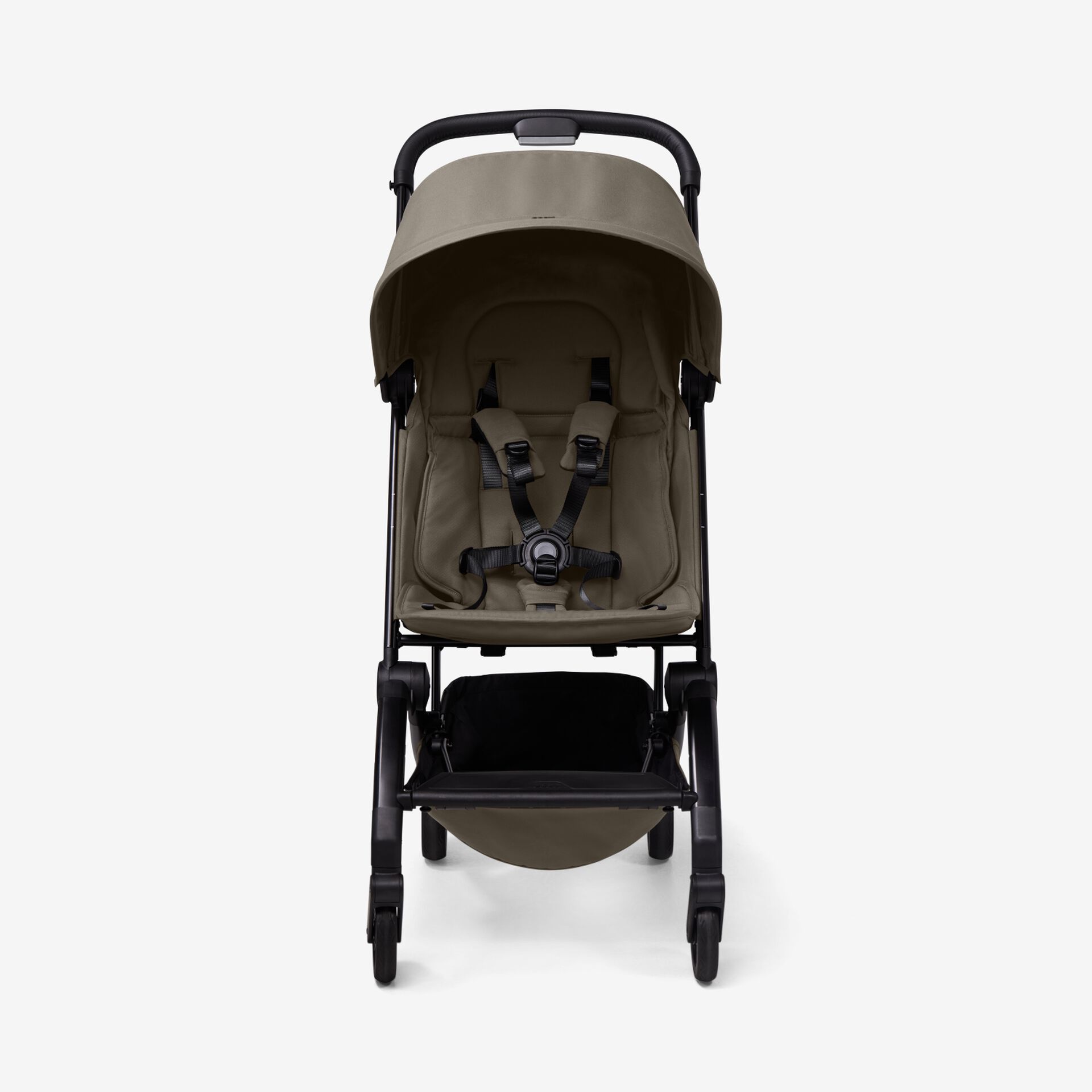
| Best Lightweight in Wet Weather | Joolz Aer+ | Check price |
| Best Budget Option | Hauck Sport Buggy | Check price |
How to choose without wasting money
Most regrets come from buying for the wrong scenario. Start with the routine you do most often, then filter products against that reality. If your week is transfer-heavy, fold speed and carry balance matter more than premium suspension. If your child sits for long stretches, comfort and recline rise in priority.
Use this order: frequency first, pain points second, budget third. That sequence keeps decisions clear and stops impulse upgrades that do not solve your daily friction.
What to test before committing
📋 Free Baby Holiday Packing Checklist
Enter your email and we'll send the free printable checklist straight to your inbox — every category, ready to tick off before every trip.
- Fold and unfold three times in a row.
- Lift into boot with one hand on the chassis and one on handle.
- Push over mixed surfaces (pavement joints, curbs, rough tarmac).
- Check child comfort after 20–30 minutes.
- Confirm storage access with normal bag load.
If a model passes these tests calmly, it will usually hold up well in real use.
Top product breakdowns

Bugaboo Butterfly (Best for Rain Cover Fit)
Why parents pick it: reliable daily usability, sensible fold routine, and practical features that suit UK travel patterns.
What to check before buying: folded boot fit, carry comfort, and whether adapters/accessories you need are easy to source in the UK.

Babyzen YOYO² (Best for Daily Commuting)
Why parents pick it: reliable daily usability, sensible fold routine, and practical features that suit UK travel patterns.
What to check before buying: folded boot fit, carry comfort, and whether adapters/accessories you need are easy to source in the UK.
Joolz Aer+ (Best Lightweight in Wet Weather)
Why parents pick it: reliable daily usability, sensible fold routine, and practical features that suit UK travel patterns.
What to check before buying: folded boot fit, carry comfort, and whether adapters/accessories you need are easy to source in the UK.

Hauck Sport Buggy (Best Budget Option)
Why parents pick it: reliable daily usability, sensible fold routine, and practical features that suit UK travel patterns.
What to check before buying: folded boot fit, carry comfort, and whether adapters/accessories you need are easy to source in the UK.
Common mistakes that cause buyer regret
- Buying by influencer popularity instead of routine fit.
- Ignoring folded dimensions and assuming “compact” will fit.
- Choosing the lightest model without checking steering control.
- Overloading accessories and making fold routines harder.
- Skipping a realistic route test before final decision.
Detailed buying framework
1) Define your non-negotiables
Write down three non-negotiables for your current stage. For example: must fit a small boot, must fold one-handed, must keep baby comfortable for a 90-minute outing. Keep this list strict. If everything is essential, nothing is.
2) Score each product honestly
Use a simple 1–5 score for fold speed, carry effort, steering confidence, comfort, and value. Numbers are not perfect, but they stop emotional overbuying and make trade-offs visible.
3) Decide by long-term friction reduction
The best purchase is the one that removes recurring weekly stress. A product that saves five minutes and two stress spikes on every outing pays you back quickly.
Real-world scenario planning
Scenario A: weekday routine under time pressure. You are leaving home with limited prep time and a child who is already tired. In this case, quick fold reliability and predictable steering matter more than marginal premium finishes.
Scenario B: weekend long outing. You need comfort, shade coverage, and decent storage organisation. Here, seat support and basket accessibility become more important than shaving a few hundred grams.
Scenario C: mixed transport day. If you switch between walking, public transport, and short taxi or car segments, transition speed becomes the key metric. Look for systems that require the fewest steps and least force.
Budget planning that still gets quality
Set a real budget range before shopping. Then split it into base product and essentials. Families often overspend on add-ons and underspend on the main chassis, which usually has the biggest daily impact.
As a rough guide, mid-range products with consistent handling often outperform cheaper options once you account for frustration, resale value, and replacement risk. Buy once, not twice.
Maintenance habits that protect value
- Clean wheel joints monthly.
- Check fold lock and safety points every two weeks.
- Tighten any loose fittings early.
- Store dry after wet outings to reduce wear.
Small maintenance steps make handling more consistent and extend product life.
Useful UK policy checks before travel
For flight or baggage rules, check CAA passenger guidance, CAA baggage guidance, and GOV.UK hand luggage restrictions before your trip.
Advanced planning guide for rainy weather
Once you shortlist products, the next step is planning how they perform over a typical month, not just one shop test. The easiest way is to map your route pattern: weekday routine, weekend long outing, and one high-pressure day where timing is tight. A product that stays consistent in all three is usually the right purchase.
Start with the weekday route because that is where most friction happens. Track where delays occur: doorway exits, curb transitions, stairs, storage, or loading. Then compare how each product handles those same moments. This makes your decision evidence-led rather than feeling-led.
Weekly performance scorecard
| Metric | What good looks like | Red flag |
|---|---|---|
| Transition time | Fast and repeatable | Multiple retries needed |
| Carry effort | Comfortable for 20–30 seconds | Grip strain after short carry |
| Steering confidence | Stable one-hand correction | Drifts or catches frequently |
| Comfort over time | Child settled for realistic duration | Frequent fuss from position issues |
| Storage practicality | Essentials accessible | Constant reorganisation needed |
How to avoid the most expensive mistakes
The biggest expensive mistake is buying a premium product that does not solve your recurring pain point. The second is choosing the lightest or cheapest option without testing route control. Both mistakes are avoidable when you check outcomes over features.
Before checkout, ask one question: “Will this reduce weekly stress in the exact moments where we currently struggle?” If the answer is unclear, run one more test. A delayed purchase is better than an expensive replacement cycle.
Family growth planning
Think ahead by six to twelve months. Child weight, nap patterns, and outing length change quickly. A setup that works now but lacks flexibility can create replacement pressure far earlier than expected. Look for practical adjustability and realistic longevity, not just launch-day convenience.
If you expect routine changes, choose adaptable systems with straightforward accessories, not complex add-on stacks. Simpler systems are easier to use consistently and easier to resell if you outgrow them.
Storage and space management
Measure your true storage path: hallway width, door frame clearance, and boot opening shape. Many parents only measure boot depth, then discover loading angle is the real issue. Run a full “door to boot” test and note every friction point.
If space is tight, prioritise folded shape over raw folded volume. A narrow, tall fold can sometimes load more easily than a wider flatter one, depending on your car and home setup.
Comfort and ergonomics for parents
Handlebar height and wrist position matter more than people expect. Poor ergonomics create cumulative strain, especially on frequent routes. During testing, include a 15-minute walk and check shoulder, wrist and lower-back comfort rather than relying on a one-minute push.
Also check hand position during fold/unfold steps. If the movement feels awkward now, it usually feels worse under time pressure.
Comfort and posture for babies
For babies and toddlers, comfort is more than cushion softness. Look at posture support, seat angle, harness adjustability, and canopy coverage. A stroller that looks padded but gives poor posture can still lead to discomfort on longer outings.
Test with realistic layers and weather conditions. UK conditions can shift quickly, and good setups stay comfortable without constant adjustment.
Accessory discipline
Add-ons can improve routine, but too many create clutter and fold frustration. Keep one essentials organiser, one weather protection solution, and only truly useful extras. If an item does not save time or improve comfort consistently, remove it.
Lean setups are easier to manage, easier to maintain, and usually more resilient in unpredictable days.
Maintenance rhythm that prevents decline
Most handling problems start small: grit in wheels, loose fittings, or sticky fold points. Build a short monthly check: wipe moving joints, inspect wheels, tighten any loose parts, and test fold lock confidence. Ten minutes monthly can preserve the feel of a much newer product.
After wet days, dry the frame and fabric areas before storage. This reduces long-term wear and keeps mechanisms consistent.
Decision confidence checklist
- I can fold/unfold without hesitation.
- I can load into storage/boot without awkward force.
- My child is comfortable for realistic outing length.
- The setup supports our highest-frequency routine.
- The total spend matches our real usage level.
If you can confidently tick all five, your decision is usually strong and durable.
Final practical recommendation
Buy for consistency, not novelty. A product that performs reliably across ordinary days will beat a flashy option that only performs in ideal conditions. Keep your setup simple, test realistically, and review every few months as routine changes. That approach is what protects budget and keeps daily movement calm.
30-day review plan after purchase
Do a simple 30-day review so you know whether the product is genuinely working. In week one, focus on setup speed and handling confidence. In week two, track comfort on longer outings. In week three, evaluate storage and packing friction. In week four, decide which accessories are genuinely useful and remove the rest.
Write short notes after each week. This gives you clear evidence of what is improving and what still feels awkward. If something is consistently frustrating, adjust early while return windows or exchange options may still exist.
Most families who run this process end up with a cleaner, simpler setup and fewer unnecessary purchases. It also makes future buying decisions much sharper because you know exactly what mattered in real life, not just on a product page.
Related reading
- What to look for in a travel stroller
- Is a travel pushchair worth it?
- Tips for flying with a baby and stroller
✈️ Free Baby Hand Luggage Checklist
Never forget the essentials. Enter your email and we'll send the free checklist straight to your inbox — one page, every category, ready before every flight.
FAQ
What matters most for a stroller in UK rain?
Rain-cover fit, wheel grip, and easy operation in wet conditions matter more than marketing claims. A setup that keeps your child dry and stays easy to steer in drizzle is the real win.
Do I need a specific rain stroller or just a good rain cover?
Most families do well with a solid everyday stroller plus a properly fitted cover. The key is coverage quality and visibility, not just the label on the stroller.
How do I stop mould and wear after wet outings?
Dry the frame and fabrics before storage, wipe wheel joints, and avoid leaving a damp cover packed away. Small post-rain habits significantly extend product life.
Are larger wheels always better in wet weather?
Larger wheels can help with rough surfaces, but tyre material, wheel design, and steering balance matter too. Test on your own typical route instead of relying on wheel size alone.
What should I pack for rainy pushchair days?
Keep it simple: fitted rain cover, dry cloth, spare layer, and one quick-access organiser. Minimal but useful kit reduces delays when weather changes suddenly.