
Best Pushchair Organisers in the UK (2026): What’s Actually Worth Buying
By BabyTravel UK Editorial Team · Last updated July 2026
A good organiser saves time, reduces bag chaos, and keeps essentials where you need them. A bad organiser slips, sags, and becomes one more thing to fight with on every outing.
Compare the best pushchair organisers →
Related guides: travel bag for baby stroller, cup holder for stroller, and must-have baby travel accessories.
Quick picks
- Best Overall: BugyKido Large Capacity Buggy Organiser
- Best with Cup Holders: Onco Universal Pram Organiser Bag
- Best Budget: Buggy Pram Bag Organiser
What makes an organiser genuinely useful?
The best organiser is not the one with the most pockets. It’s the one that keeps weight balanced, gives quick access to essentials, and doesn’t swing around every time you turn a corner. For most UK parents, the winning setup is simple: one secure main compartment, quick-grab phone/wipe space, and at least one drink holder that actually fits your bottle.
If you use buses, trains, and frequent café stops, quick access and stability matter more than style extras. If you do longer park walks or day trips, storage depth becomes more important.
How we rate pushchair organisers
- Stability: stays in place on regular pavements and turns
- Storage logic: pockets match real parent use, not just marketing claims
- Access speed: easy one-hand reach while managing a child
- Weather practicality: handles drizzle and quick wipe-down cleaning
- Value: worth the price based on everyday convenience
Before you buy: 5-minute fit check
📋 Free Baby Holiday Packing Checklist
Enter your email and we'll send the free printable checklist straight to your inbox — every category, ready to tick off before every trip.
- Measure your pushchair handle spacing.
- Check strap type and adjustment range.
- Estimate how much weight you usually carry.
- Decide if you need insulated cup holders or not.
- Choose wipe-clean materials if you’re out daily.
This quick check prevents the common mistake of buying by looks and returning later.
Top Picks: Pushchair Organisers
| Category | Product | Why it stands out | Link |
|---|---|---|---|
| Best Overall | BugyKido Large Capacity Buggy Organiser | Balanced storage and daily usability | Check price |
| Best Budget | Buggy Pram Bag Organiser | Affordable and practical for regular outings | Check price |
| Best Waterproof | ZONSUSE Baby Multifunctional Stroller Organiser | Better weather protection for UK conditions | Check price |
| Best Universal Fit | Momcozy Baby Pushchair Organiser | Strong compatibility across stroller types | Check price |
| Best with Cup Holders | Onco Universal Pram Organiser Bag | Great for bottle + parent drink access | Check price |

Best Overall: BugyKido Large Capacity Buggy Organiser
At a glance: A dependable all-round pick for parents who want strong everyday organisation without overthinking setup.
Why we like it: It strikes the right balance between space, access, and comfort in real day-to-day use.
- Pros: roomy, practical layout, good value
- Cons: may feel large on very compact pushchairs

Best Budget: Buggy Pram Bag Organiser
At a glance: A low-cost organiser that still covers the essentials for everyday outings.
Why we like it: Great for parents who want structure and convenience without premium spend.
- Pros: affordable, straightforward design
- Cons: fewer premium materials/features
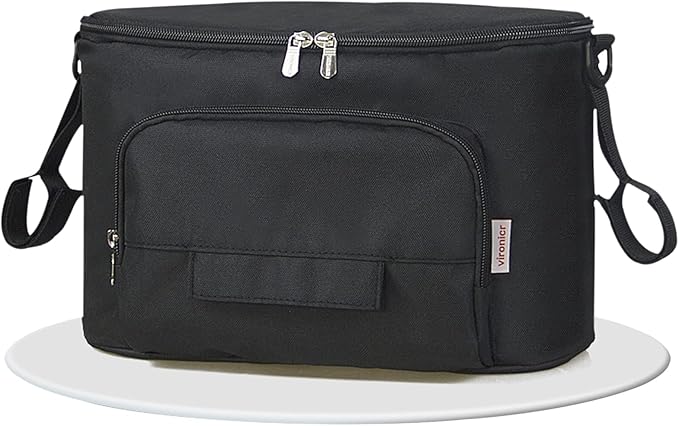
Best Waterproof: ZONSUSE Baby Multifunctional Stroller Organiser
At a glance: Better for wet UK weather and frequent outdoor use.
Why we like it: Water resistance helps keep essentials dry and easier to clean after rough weather days.
- Pros: weather-friendly, practical for year-round use
- Cons: may be heavier than minimal organisers

Best Universal Fit: Momcozy Baby Pushchair Organiser
At a glance: A compatibility-focused option for parents using different strollers.
Why we like it: Reduces fit headaches and makes it easier to move your setup between pushchairs.
- Pros: flexible fit, practical layout
- Cons: may not feel as tailored as brand-specific models

Best with Cup Holders: Onco Universal Pram Organiser Bag
At a glance: Best for parents who want quick access to drinks and day-trip essentials.
Why we like it: The cup holder focus is genuinely useful for long walks, feeds, and daily errands.
- Pros: strong drink access, useful pocket layout
- Cons: may add bulk on lightweight pushchairs
Recognisable brands worth a look
Most organisers on this list are own-brand options that punch above their price. If you'd rather buy from a name you already know from your changing bag or pram accessories, these two are the ones we'd point you to.

Best Branded Organiser: Diono Buggy Buddy
At a glance: A rigid-framed organiser from a well-known baby travel brand, with two insulated cup holders and a zipped valuables pocket.
Why we like it: The stiffened frame stops the sagging that plagues cheaper soft organisers, and the insulated holders keep a bottle and a parent drink upright and cool. Around £13, it's a sensible step up if you want brand reassurance without paying premium-pram prices.
- Pros: rigid frame resists sag, insulated cup holders, zipped pocket for keys and phone
- Cons: takes up more handlebar width, can foul the fold on very compact pushchairs

Best for Bottles: Skip Hop Grab & Go Double Bottle Bag
At a glance: Not a full handlebar organiser but an insulated double bottle bag from Skip Hop that clips onto the pushchair alongside your main organiser.
Why we like it: If your priority is keeping two bottles (or a bottle and a parent's water) cold on longer days out, this does that one job better than a general organiser's open cup holders. It's around £15, and worth pairing with one of the picks above rather than replacing it — the storage is bottle-shaped, not general-purpose.
- Pros: proper insulation for two bottles, trusted brand, clips on easily
- Cons: bottle-focused rather than a full organiser, no room for bulky nappy kit
How to organise your organiser (and save time daily)
Most parents get better results with a fixed layout:
- Left side: wipes + nappy essentials
- Centre: snacks, muslins, spare bibs
- Right side: parent phone/keys/wallet
- Cup holders: one baby drink, one parent drink
Keeping this pattern consistent cuts search time and makes quick trips feel easier.
Common mistakes to avoid
- Overloading with heavy items and causing sag.
- Choosing loose straps that slip on every turn.
- Using too many tiny pockets that slow you down.
- Ignoring weather resistance for UK outdoor use.
Who should buy what?
Daily city parent: prioritise stability and quick access.
Weekend day-trip family: prioritise storage depth and bottle handling.
Budget-first buyer: choose the best budget pick and upgrade only if needed.
How to build an organiser setup that actually works
The best organiser setup is boring on purpose. You should be able to reach wipes, snacks, and phone with one hand while steering with the other. If you keep rearranging items every day, your system is not working.
Use fixed zones and keep them stable:
- front pockets for high-frequency items
- deeper compartment for spares and less-used items
- one side dedicated to parent essentials so they never disappear
Daily parent scenarios
Nursery drop-off mornings
Speed matters most. Choose an organiser with direct access pockets and secure attachment so nothing swings when you rush between pavement crossings.
Long park days
Storage depth and drink handling matter more than compact form. If you carry snacks, extra layers, and toys, look for better structure rather than minimal designs.
Public transport routines
When getting on and off buses or trains, the organiser should stay stable and slim. Bulky designs can catch and slow you down at the worst moment.
What to avoid when shopping
- designs with too many shallow pockets that hold very little
- weak straps that loosen after a few days
- materials that are hard to wipe after rain or spilled milk
- organisers that block folding on compact pushchairs
Parents often overlook fold compatibility. Always test whether the organiser interferes with your fold routine before committing.
Cleaning and maintenance
Wipe the organiser weekly and empty it fully at least once every two weeks. This keeps crumbs, sticky spills, and hidden clutter under control. A ten-minute reset can save a lot of stress on busy mornings.
If straps begin to slip, rethread and tighten before replacing the whole organiser. Small adjustments often fix the issue.
Budget strategy that makes sense
If you’re buying your first organiser, start with a value model and test your routine for two weeks. Once you know what you actually use, upgrading becomes easier and smarter.
In short: pick for your daily pattern, not for showroom photos. The best organiser is the one you forget is there because it simply works.
In-depth comparison: what changes at different price points
Budget tier: You usually get basic compartments and lighter materials. Good for occasional use, but long-term durability can vary.
Mid tier: Better strap quality, smarter pocket layout, and more stable structure. This is the sweet spot for most families.
Higher tier: Better finish and premium extras, but not always a huge practical gain. Buy this level only if the specific feature solves a real daily problem for you.
Organisation system that reduces daily stress
Parents often underestimate how much friction comes from searching for small essentials while outside. Build a fixed “default loadout” and keep it consistent every day:
- nappy kit always in the same pocket
- snacks always in one zipped area
- keys and phone never moved from parent pocket
- spare muslin always in quick-grab location
When these items stay in fixed positions, outings become quicker and more predictable.
Weather and cleaning in UK conditions
UK weather shifts fast. A wipe-clean organiser with stable straps is often worth more than extra compartments. If you’re out most days, material choice matters as much as storage layout.
Quick routine: wipe weekly, empty and reset fortnightly, deep clean monthly. This keeps smells, crumbs, and sticky residue from building up.
Final recommendation by parent type
Commuter parent: pick stability and one-hand access first.
Day-trip parent: pick capacity and bottle handling first.
Minimalist parent: pick slim design and fold compatibility first.
Choose based on your real routine, not shopping-page aesthetics. That one decision improves day-to-day use more than any premium extra.
✈️ Free Baby Hand Luggage Checklist
Never forget the essentials. Enter your email and we'll send the free checklist straight to your inbox — one page, every category, ready before every flight.
Frequently Asked Questions
Will an organiser fit any pushchair?
Not always. Universal options help, but handle spacing and strap type still matter.
Do I need insulated cup holders?
Useful but not essential. If you carry bottles often, they can make daily routines easier.
How much weight should I put in a pushchair organiser?
Keep it light-to-moderate and avoid overloading, especially on lightweight pushchairs.
Can I leave it attached all the time?
Usually yes, but check fold compatibility so it does not interfere with compact folding.
How often should I clean it?
Quick wipe weekly and deeper clean when needed, especially after rain or snack spills.
Expanded practical FAQs
Can a pushchair organiser replace a changing bag?
For short outings, sometimes yes. For full day trips, most parents still prefer both: organiser for quick access and changing bag for bulkier spares.
Do organisers make pushchairs unstable?
Only when overloaded or poorly fitted. Keep heavy items low in the basket and use the organiser for essentials you need fast.
Is waterproof fabric worth paying extra for?
If you are outdoors frequently in UK weather, yes. It saves cleaning time and protects essentials from drizzle and damp surfaces.
What is the easiest way to stop strap slipping?
Tighten straps evenly on both sides and recheck after a short walk. If slipping continues, the organiser may not match your handle shape.
How do I know when to replace an organiser?
Replace when straps stretch, stitching fails, or access becomes frustrating every day. If it creates stress instead of saving time, it is no longer doing its job.
What good looks like after two weeks of use
After two weeks, a good organiser should feel invisible in the best way. You should know exactly where things are, reach essentials quickly, and finish outings with less chaos. If it still feels awkward, the layout or fit is wrong for your routine.
Do one mid-month reset: empty everything, remove stale items, and rebuild your default setup. Most parents discover they carry too much “just in case” gear that adds weight without helping. Trimming that load improves handling immediately.
If your routine changes with seasons, adjust the organiser too. In colder months you may carry gloves and extra layers. In warmer months, hydration and sun accessories matter more. A simple seasonal reset keeps the organiser useful year-round and prevents clutter creep.
Quick decision shortcut
If you want the fastest possible decision: pick best overall if you are unsure, best budget if you only need light everyday support, and best with cup holders if drinks and long outings are part of your routine. That covers most parent needs without overthinking.
Then test the organiser for one week and keep only what genuinely helps. A well-fitted, lightly loaded organiser usually beats a large overpacked one.
Simple, repeatable, reliable. That is the goal.
Final checklist before checkout
- strap fit confirmed for your pushchair handle
- fold compatibility checked
- layout supports your most-used items
- material is easy to wipe in wet weather
- weight load stays realistic for daily use
If all five are true, you are very likely choosing well.
One more practical tip: take a photo of your final pocket layout once it works. Rebuilding that same setup after cleaning or travel is much easier when you can copy a proven layout.
Small changes in setup can create big daily wins when repeated every day.