
Best Umbrella Buggy UK 2026: 8 Lightweight Strollers
By BabyTravel UK Editorial Team · Last updated September 2026
A good umbrella buggy should be easy to fold, light enough to carry up stairs and comfortable enough for the length of outing you have planned. This guide compares current UK choices for holidays, public transport, day trips and use as a second pushchair.
Traditional umbrella buggies fold into a long, narrow shape. Parents also use the term for lightweight pushchairs more generally, so we have clearly identified the compact-fold alternatives in the list rather than pretending they use the same mechanism. See our tips for flying with a stroller and full travel stroller guide if you want a wider choice.
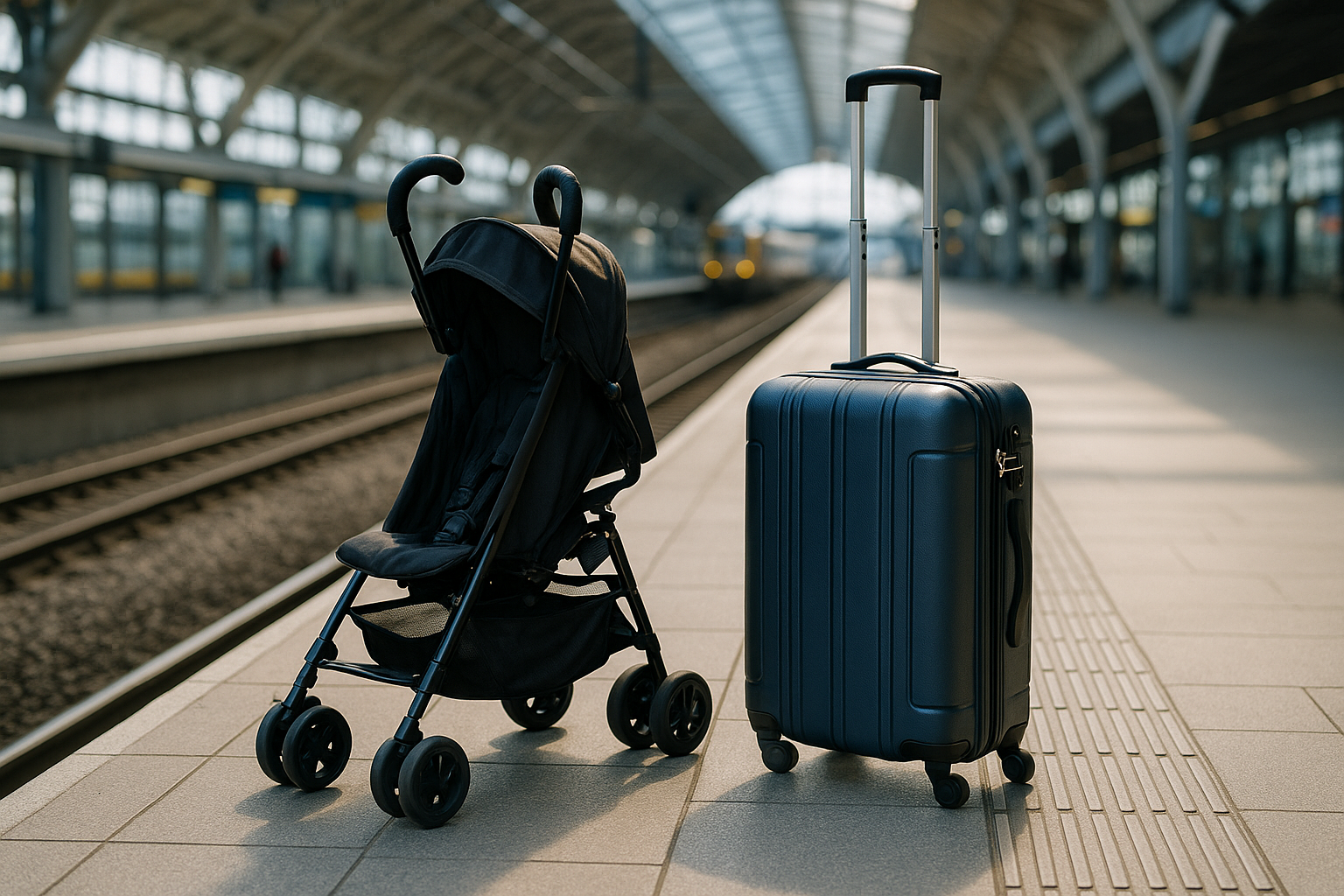
Quick picks
- 🏆 Best compact all-rounder: Graco Myavo — a 5.8kg one-hand-fold alternative, around £90–£120
- 💰 Best budget compact buggy: Hauck Sport Buggy — reclining seat and low price, around £40–£60
- 🪶 Best traditional umbrella: Joie Nitro LX — a full recline and long umbrella fold, around £80–£110
- 📦 Best compact fold: Chicco Echo — simple storage, around £60–£90
- ⭐ Best current premium umbrella: Cosatto Supa 3 — from birth to 25kg, with footmuff and raincover commonly included
Top umbrella stroller picks (UK)
| Category | Product | Typical use | Link |
|---|---|---|---|
| Best Compact All-rounder | Graco Myavo | One-hand fold for car, train and bus trips | Check price on Amazon |
| Best Budget Compact Buggy | Hauck Sport Buggy | Low-cost second pushchair | Check price on Amazon |
| Best Traditional Umbrella | Joie Nitro LX | Public transport and holidays | Check price on Amazon |
| Best Slim Fold | Chicco Echo | 108cm-long umbrella fold | Check price on Amazon |
| Best Current Premium Umbrella | Cosatto Supa 3 | From-birth seat and useful included extras | Check price on Amazon |
Best umbrella stroller UK: which one should you choose?
For most UK parents doing school runs, weekend breaks and occasional flights, the Graco Myavo remains the best all-rounder at a sensible price. If you want a higher-spec umbrella fold with a 25kg limit and useful extras in the box, the Cosatto Supa 3 is the stronger current premium choice. On a tight budget, the Hauck Sport is genuinely good value — just note the 6-month minimum age and the more basic seat setup.
For flying specifically, check whether your airline accepts umbrella-style strollers as cabin luggage — most do not, and you will usually be gate-checking. If cabin carry is a priority, compare specifically designed models such as the Stokke YOYO³, Bugaboo Butterfly 2 and Joolz Aer² instead.
How to choose the right umbrella stroller
📋 Free Baby Holiday Packing Checklist
Enter your email and we'll send the free printable checklist straight to your inbox — every category, ready to tick off before every trip.
For travel, concentrate on the things you will notice every time you use the buggy: how it folds, how heavy it feels on stairs, whether it steers cleanly with one hand and whether your child can sit or nap comfortably.
- Fold: practise it while holding your changing bag. Some umbrella buggies need both hands and a foot to release the catches.
- Carry weight: the figure on the specification is useful, but the position of the handle or carry strap affects how awkward the folded buggy feels.
- Steering: small wheels are fine on shop floors and smooth pavements, but can catch on broken paving stones and kerbs.
- Seat: check the recommended starting age, recline, harness height and hood coverage rather than assuming every lightweight buggy suits the same child.
Product breakdowns

Graco Myavo (Best Compact All-rounder)
The Myavo is a compact-fold travel stroller rather than a traditional umbrella buggy, but it belongs on the shortlist for the same trips. Graco lists a 5.8kg weight, one-hand standing fold, lie-flat recline and 22kg child limit. Its shorter folded shape is easier to place in a car boot than a metre-long umbrella fold, although it is still too large for many airline cabin limits.
Weight: 5.8kg | Age: birth to 22kg | Folded: 65.3 x 52 x 32.5cm | Price: around £90–£120
- ✓ One-hand standing fold
- ✓ Lie-flat seat for use from birth
- ✓ Raincover included
- ✗ Not a traditional umbrella fold
- ✗ Check airline limits before flying

Hauck Sport Buggy (Best Budget Compact Buggy)
The Hauck Sport is a low-cost shopper-style buggy, not an umbrella fold. Its 6kg frame, reclining backrest and 81 x 45 x 24cm folded size make it useful as a spare pushchair for car holidays or grandparents. The small wheels and simpler hood are the compromises at this price.
Weight: 6kg | Age: birth to 15kg child weight | Folded: 81 x 45 x 24cm | Price: around £40–£60
- ✓ Very affordable
- ✓ Reclining backrest
- ✓ Light enough for short carries
- ✗ Not an umbrella fold
- ✗ Basic wheels and weather protection
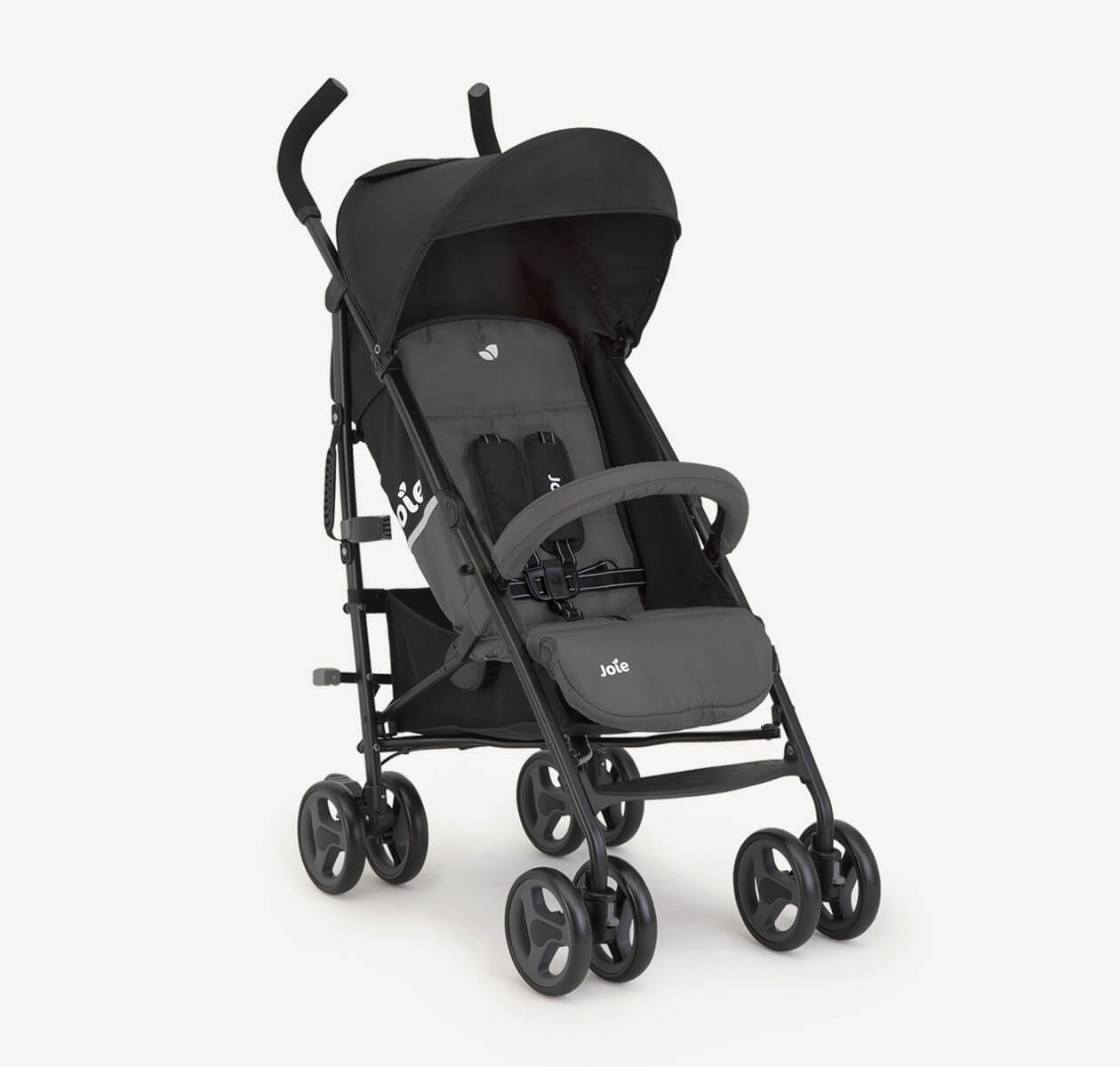
Joie Nitro LX (Best Traditional Umbrella)
The Nitro LX has a genuine umbrella chassis, flat reclining seat, all-wheel suspension and carry handle. Joie's specification puts it at 7.9kg, so it is not the lightest option here, but the fuller seat makes it more useful for naps than many basic umbrella buggies. Availability varies, so check whether the listing is new stock and which accessories are included.
Weight: 7.9kg | Age: birth to 15kg | Folded: 41 x 31 x 107.5cm | Price: around £80–£110 when available
- ✓ Flat reclining seat
- ✓ All-wheel suspension
- ✓ Carry handle included
- ✗ Long when folded
- ✗ Availability can be inconsistent

Chicco Echo (Best Slim Umbrella Fold)
The Echo folds to about 27 x 27cm across, so it takes up little floor space in a hallway or hotel room. Chicco lists it as suitable from birth to 22kg, with a four-position backrest and raincover. At 7.6kg it is heavier than its narrow frame suggests, and the 108cm folded length means it normally needs to be gate-checked for a flight.
Weight: 7.6kg | Age: birth to 22kg | Folded: 27 x 27 x 108cm | Price: around £60–£90
- ✓ Narrow when folded
- ✓ Four-position backrest
- ✓ Raincover included
- ✗ Long folded package
- ✗ Heavier than the Myavo and Hauck Sport

Maclaren Quest (Remaining-Stock Alternative)
The Quest is a familiar classic umbrella stroller with a full-length hood, multi-position recline and carry strap. It weighs around 5.9kg and the frame feels stiffer than many entry-level umbrella buggies. However, availability is now inconsistent and listings may be older or remaining stock, so it is no longer our default premium recommendation.
Weight: ~5.9kg | Age: Check the exact generation | Folded: approx. 52 x 28 x 104cm
- ✓ Premium-feeling frame
- ✓ High weight limit on selected versions
- ✓ Proper hood and raincover on selected listings
- ✗ Availability is inconsistent
- ✗ Check the exact model year and included parts

Cosatto Supa 3 (Best Current Premium Umbrella)
Cosatto's Supa 3 is the most characterful buggy here — the bold prints are unmistakable — but there is more to it than looks. It is a proper umbrella fold with a high 25kg weight limit, and Cosatto's current specification lists it as suitable from birth. A footmuff and raincover are included, which makes the total package easier to compare with cheaper strollers that need extras. At 7.9kg it is heavier than the featherweight options and folds bulkier than a Joie Nitro, but for everyday UK use and occasional gate-checking it is a well-equipped current choice.
Weight: 7.9kg | Age: Birth to 25kg | Price: commonly around £150–£230 before retailer offers
- ✓ High 25kg weight limit
- ✓ Footmuff and raincover included
- ✓ Distinctive prints and solid build
- ✗ Heavier than rivals
- ✗ Bulkier fold than the lightest umbrellas
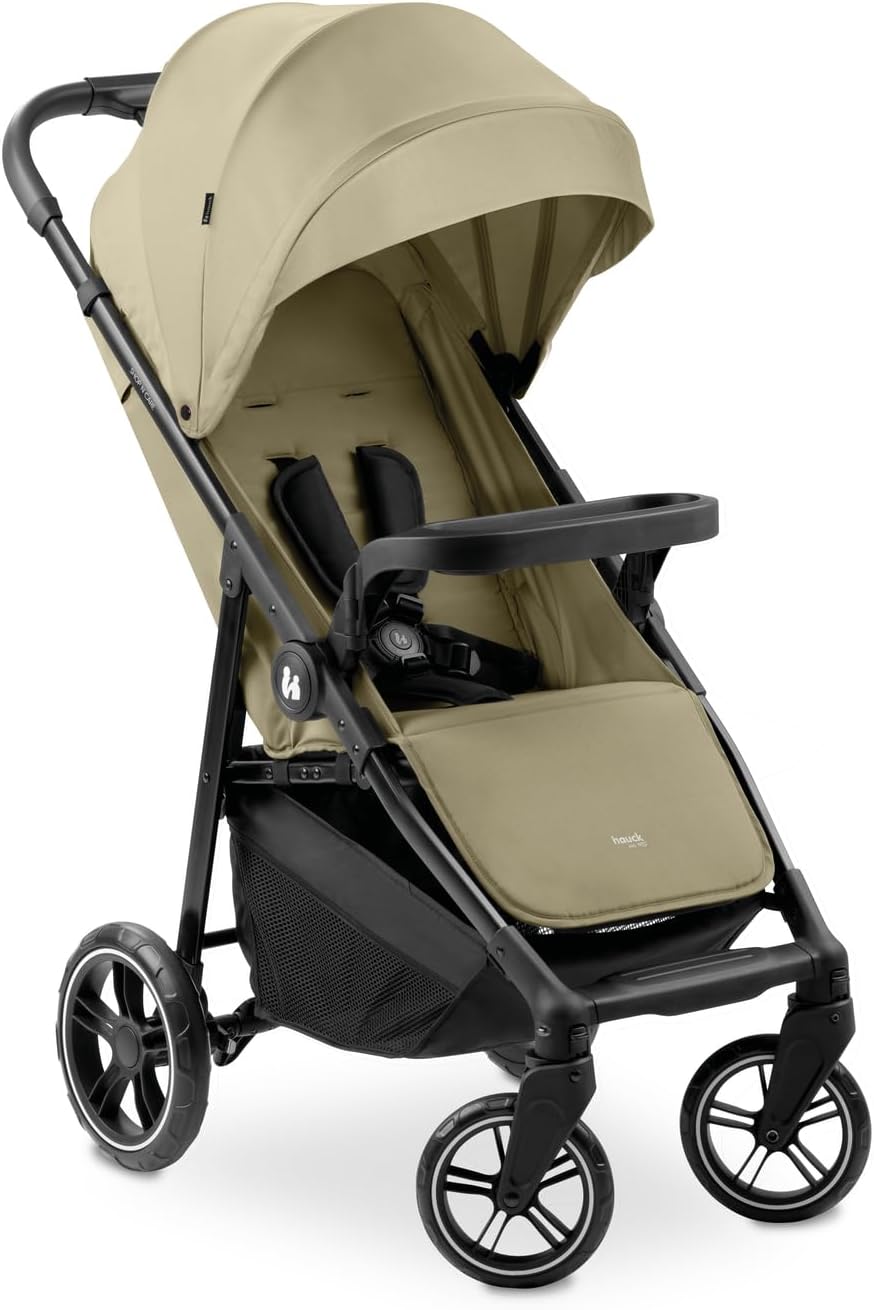
Hauck Shop N Care (Roomier Compact Alternative)
The Shop N Care is a city pushchair rather than an umbrella model. It weighs 8.9kg and folds to 44 x 52 x 77cm, so it is less appealing for stairs but provides a larger basket, reclining seat, snack tray and 22kg child limit. It suits shopping and car trips better than airport carrying.
Weight: 8.9kg | Age: birth to 22kg | Folded: 44 x 52 x 77cm | Price: usually above the Hauck Sport
- ✓ Larger basket and taller seat
- ✓ One-hand fold
- ✓ Reclines for use from birth
- ✗ Not an umbrella fold
- ✗ Too heavy for frequent carrying
Honourable mention: Silver Cross Pop
The current Silver Cross Pop is another genuine umbrella stroller, with a lie-flat seat and a listed weight of 7.5kg. It will not fold small enough for normal cabin luggage, but it is worth comparing with the Joie and Cosatto if you want a more substantial everyday seat. Check that the Amazon listing is the current Pop 2 and confirm which accessories are included.
Is an umbrella buggy right for your family?
An umbrella buggy works well as a second pushchair for holidays, grandparents' houses, nursery runs and days when you expect to use buses or trains. The long, narrow fold is easy to stand in a hallway or slide behind luggage in a car boot, and the lightest models are much easier to carry than a full travel system.
It is less suitable when most walks involve gravel, muddy paths or badly broken pavements. The small wheels and simple suspension that keep the buggy light also transmit more bumps to the seat. Storage baskets tend to be shallow, and a heavy changing bag on the handles can make a lightweight buggy unstable, especially when the child gets out.
If this will be your only pushchair, look carefully at the recline, hood, raincover, basket and maximum child weight. A very basic £50 buggy can be excellent for a toddler on a weekend break but disappointing for daily use with naps, shopping and winter weather.
Umbrella buggy vs compact travel stroller
| Umbrella buggy | Compact travel stroller | |
|---|---|---|
| Folded shape | Long and narrow | Usually shorter and more rectangular |
| Typical strength | Low price and easy carrying | Smaller overall package with more features |
| Flight use | Usually handed over at the gate or checked in | Some models may meet an airline's cabin limit |
| Seat and suspension | Often simpler | Usually better suited to longer days |
| Price | Many useful choices below £120 | Cabin-focused models often cost £200 or more |
The word “compact” can be misleading because an umbrella buggy may be slim but still more than a metre long when folded. If you need a pushchair for an aircraft locker, compare all three folded dimensions with the airline's current cabin-bag limit. Our stroller size checker is a useful starting point, but the airline has the final say at the airport.
What to check before you buy
Can you fold it with your usual bag?
Try the fold several times rather than watching a demonstration. Check whether the hood must be closed, whether the front wheels need to face a certain way and whether the safety catch is easy to reach. If the buggy has a carry strap, put it over your shoulder and walk around the shop. A 6kg buggy can still feel awkward if its wheels knock against your legs.
Will your child be comfortable for the whole outing?
Look at the seat depth, backrest height, footrest and harness position with your child sitting in it. For naps, check how far the seat reclines and whether you can adjust it without waking them. A hood that looks generous in product photos may provide little shade when the sun is low, so open it fully and view it from the side.
Does it cope with the surfaces near home?
Push it over a doorway threshold and turn it in a tight space. Twin front wheels are common on traditional umbrella buggies, but they can rattle or catch on uneven paving. If your normal route includes cobbles, park paths or deep kerbs, a compact stroller with larger wheels may justify the extra weight.
Does the folded buggy fit where you need it?
Measure the car boot with the parcel shelf in place and the spot where you will store the buggy at home. Include the fold-lock or handles that protrude beyond the main frame. If you are buying for train travel, check that you can stand it securely without blocking the aisle or relying on it to stay open in a crowded vestibule.
Using an umbrella stroller at the airport
Most traditional umbrella strollers are too long for an overhead locker. In many airports you can use the buggy until the gate or aircraft door, where staff attach a luggage label and place it in the hold. The return arrangement varies: it may be brought to the aircraft door, delivered to oversized baggage or appear on the main carousel.
Remove toys, cup holders, raincovers and organisers before handing it over. Close the harness, empty the basket and photograph the stroller's condition and baggage label. A travel bag can keep straps and hoods from snagging, although it will not prevent every impact.
Check the airline's pushchair allowance separately from its hand-luggage rules. The CAA baggage guidance explains general passenger baggage responsibilities, but only your airline can confirm whether a stroller is carried free and where it will be returned. Our guides to easyJet's stroller policy, Ryanair's stroller policy and British Airways' stroller policy cover the family-specific rules in more detail.
Taking an umbrella buggy on trains and buses
On trains, a light buggy is helpful when a lift is out of service or the platform has a large step, but you still need a plan for your child while it is folded. Keep tickets and your phone away from the basket so you can reach them after collapsing the buggy. If possible, reserve assistance for journeys involving luggage, a baby and station changes.
On a bus, you may be able to leave the stroller open in the wheelchair space when it is not needed by a wheelchair user. You must still be prepared to fold it. A free-standing fold is useful here, but an umbrella buggy that locks shut and has a carry handle can be just as manageable. Read our full guide to travelling on UK trains with a baby before a longer journey.
How much should you spend?
About £40 to £70: expect a light frame, basic hood and limited suspension. This price range suits occasional trips, older toddlers and a spare buggy kept at a relative's house. Check whether a raincover is included before comparing totals.
About £80 to £130: you should find a better recline, more useful hood and small conveniences such as a carry strap or standing fold. This is the sensible range for families who will use the stroller regularly but still want it to remain light.
About £150 to £230: premium umbrella models such as the Cosatto Supa 3 tend to add a higher weight limit, more substantial fabrics and accessories. At this price, compare the buggy with modern compact-fold alternatives as well. The umbrella shape is only an advantage if it works for your storage and travel plans.
Look at the complete package rather than the headline discount. A cheap stroller that needs a separate raincover, footmuff and sunshade can end up close to the price of a better-equipped model.
Accessories that are genuinely useful
- Raincover: choose one made for the model where possible. A universal cover can be loose around a small hood and interfere with the wheels if it is too long.
- Travel bag: useful when the buggy will be checked into an aircraft hold. Make sure there is room for the wheels without forcing the zip.
- Compact organiser: handy for wipes and a drink, but remove it before folding if the manufacturer requires this.
- Sunshade: use a purpose-made breathable shade and keep air circulating around the seat. Do not drape a blanket over the hood and seat.
Avoid hanging a heavy changing bag from the handles. It can tip the buggy backwards when your child gets out. The basket or a separate backpack is safer and also makes the stroller easier to fold quickly.
Cleaning and maintaining an umbrella buggy
Sand, crumbs and mud collect around the small wheels and folding joints. Brush away dry dirt before wiping the frame, then follow the manufacturer's instructions for lubricating or washing any part. Household oil or a pressure washer can damage the mechanism and fabrics.
Check the brakes, wheel movement, harness and fold lock before a holiday, especially if the buggy has been stored for several months. Let fabric dry fully before folding it into a cupboard or travel bag. If the frame becomes bent or the lock no longer holds it securely open, stop using it and contact the manufacturer rather than attempting a temporary fix.
Which umbrella stroller suits your plans?
For an inexpensive holiday buggy: the Hauck Sport is the simplest choice in this guide. Its low weight is useful for stairs and transfers, but the basic seat makes it better for an older child and shorter outings.
For regular travel and everyday errands: the Graco Myavo offers the best balance of price, recline and included equipment. It is not cabin-sized, but it covers more everyday needs than a very basic umbrella stroller.
For public transport: the Joie Nitro LX combines a manageable weight with a carry strap and reclining seat. Check the folded length against your storage space because, like most umbrellas, it remains long when closed.
For a higher child weight limit: the Cosatto Supa 3 is the standout here. It is heavier to carry, so it suits parents who want the umbrella fold and a more complete seat rather than the lowest possible weight.
For cabin luggage: skip the traditional umbrella format and compare the YOYO³, Butterfly 2 and Aer². Even then, confirm the exact folded dimensions and your flight's allowance before travelling.
✈️ Free Baby Hand Luggage Checklist
Never forget the essentials. Enter your email and we'll send the free checklist straight to your inbox — one page, every category, ready before every flight.
FAQ
What is the difference between an umbrella stroller and a compact travel stroller?
An umbrella stroller usually folds into a long, narrow shape and has two separate handles. A compact travel stroller normally folds into a shorter rectangular package and may offer better suspension, a larger hood and a single handlebar, but it often costs more.
Are umbrella strollers suitable for daily UK use?
Yes, if your routes are mainly smooth pavements, shops and public transport. For long daily walks on rough ground, larger wheels and stronger suspension are likely to be more comfortable.
Can umbrella strollers be used for flights?
Yes, but most need to be gate-checked or placed in the hold because their folded length exceeds cabin-bag limits. Check the airline's pushchair allowance and collection procedure before you fly.
Do umbrella strollers handle rough pavements well?
Basic models can rattle or catch on damaged paving because their wheels are small. If uneven ground is part of your usual route, test the stroller in person or choose a compact model with larger wheels.
When is an umbrella stroller not the best choice?
Choose something sturdier if you need a large basket, all-terrain wheels, car-seat compatibility or a very supportive seat for long outings. A cabin-fold stroller is also a better place to start if overhead-luggage size is essential.
What age can a baby use an umbrella stroller?
It depends on the model. Many upright umbrella buggies start from around six months, while some have a manufacturer-approved lie-flat seat for use from birth. Always follow the age, weight and developmental guidance for the exact stroller.
Can an umbrella stroller go in an aircraft overhead locker?
Most cannot because they remain around a metre long when folded. Models designed specifically for cabin travel fold into a shorter package, but acceptance still depends on the airline, aircraft and available locker space.
Can an umbrella stroller take an infant car seat?
Most traditional umbrella buggies cannot. If you need to click an infant carrier onto the frame, look for a compatible compact stroller or travel system and use only the adaptor listed by the manufacturer.
Our verdict
The Graco Myavo is the best fit for most families because it balances weight, recline and price without becoming too basic. Choose the Hauck Sport when low cost and easy carrying matter most, or the Cosatto Supa 3 when you want a more substantial seat and higher weight limit. For flying, remember that an umbrella fold is usually convenient for the airport rather than small enough for the cabin.