
Choosing the Best Lightweight Pushchair for Air Travel
By BabyTravel UK Editorial Team · Last updated March 2026
Travelling with a baby can be a daunting task, but selecting the right lightweight pushchair can make your air travel much smoother. In this guide, we’ll explore the best options for compact strollers that are perfect for flights.
Why You Need a Lightweight Pushchair
A lightweight pushchair is an essential travel companion for parents on the go. Not only are they easy to carry and manoeuvre, but they also fit well through airport security and cabin travel routines. These strollers are designed to fold down quickly, allowing you to transition from terminal to aircraft with minimal fuss. Look for models that weigh under 7 kg, as these are generally easier to manage while juggling luggage and your little one.
Top Features to Look For
When choosing a lightweight pushchair for air travel, consider the following features:
- Easy Folding Mechanism: Opt for a stroller that can be folded with one hand, making it easier to hold your baby and manage your bags simultaneously.
- Compact Size: Ensure the stroller meets airline regulations regarding size. Compact models that fit easily in overhead compartments or under the seat are ideal.
- Durability: Lightweight doesn’t mean flimsy. Look for strollers made with durable materials that can withstand the rigours of travel.
- Comfort: Your baby should be comfortable during the flight. Check for padded seats and adjustable reclining positions.
Popular Lightweight Pushchairs for Air Travel
📋 Free Baby Holiday Packing Checklist
Enter your email and we'll send the free printable checklist straight to your inbox — every category, ready to tick off before every trip.
Several models stand out in the market for air travel. The Babyzen YOYO2 is a favourite among parents, known for its ultra-compact fold and lightweight design. Another excellent choice is the Maclaren Quest, which combines comfort with portability. If you're on a budget, the Chicco Bravo Quick-Fold offers great features at a more affordable price point.
Tips for Using Your Pushchair at the Airport
Navigating an airport can be challenging with a baby in tow. Here are some tips to make your experience smoother:
- Arrive Early: Give yourself plenty of time to check in, especially if you have to fold up your pushchair.
- Use a Stroller Bag: Consider using a stroller bag for added protection during your flight. This can shield it from wear and tear. Find out more about the benefits of a stroller bag for airplane travel.
- Check Airline Policies: Different airlines have different rules regarding strollers. Familiarise yourself with the airline stroller size limit UK to avoid any surprises.
Choosing the right lightweight pushchair for air travel can significantly ease your journey as a parent. Remember to consider the features that matter most to you and your baby. For additional travel tips, be sure to explore our related articles on can you take a pushchair on a plane UK and stroller bag for airplane travel. Happy travels!
Top lightweight pushchairs for air travel
These picks are designed to make choosing easier, with clear differences in weight, fold style, and everyday use.
| Category | Product | Key spec | Link |
|---|---|---|---|
| Best Overall | Babyzen YOYO² | Cabin-friendly fold • lightweight frame | Check price |
| Best Premium | Bugaboo Butterfly | One-second fold • roomy seat | Check price |
| Best Lightweight | Joolz Aer+ | Ultra-light carry • cabin-size profile | Check price |
| Best Value | Baby Jogger City Tour 2 | Compact fold • balanced comfort | Check price |
| Best UK Brand | Silver Cross Jet | Cabin-ready design • travel-focused frame | Check price |

Best Overall: Babyzen YOYO²
Description: A premium compact stroller built for frequent travel and easy folding.
Specs: Cabin-friendly fold • lightweight frame
- Pros: very compact, smooth handling, proven travel performance
- Cons: higher price point
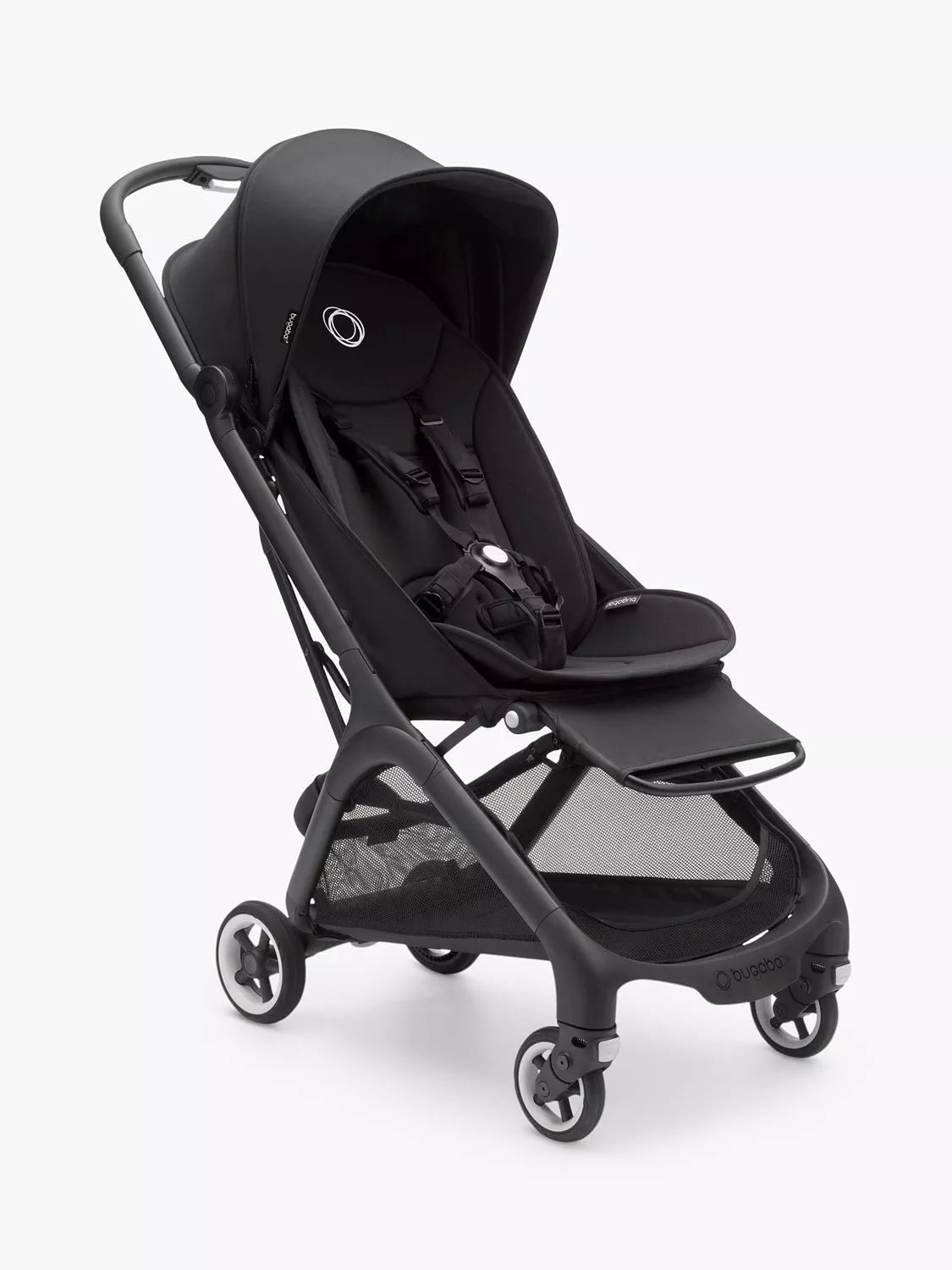
Best Premium: Bugaboo Butterfly
Description: Strong premium option with comfort and quick fold convenience.
Specs: One-second fold • roomy seat
- Pros: excellent fold speed, comfortable seat, quality build
- Cons: price can be high
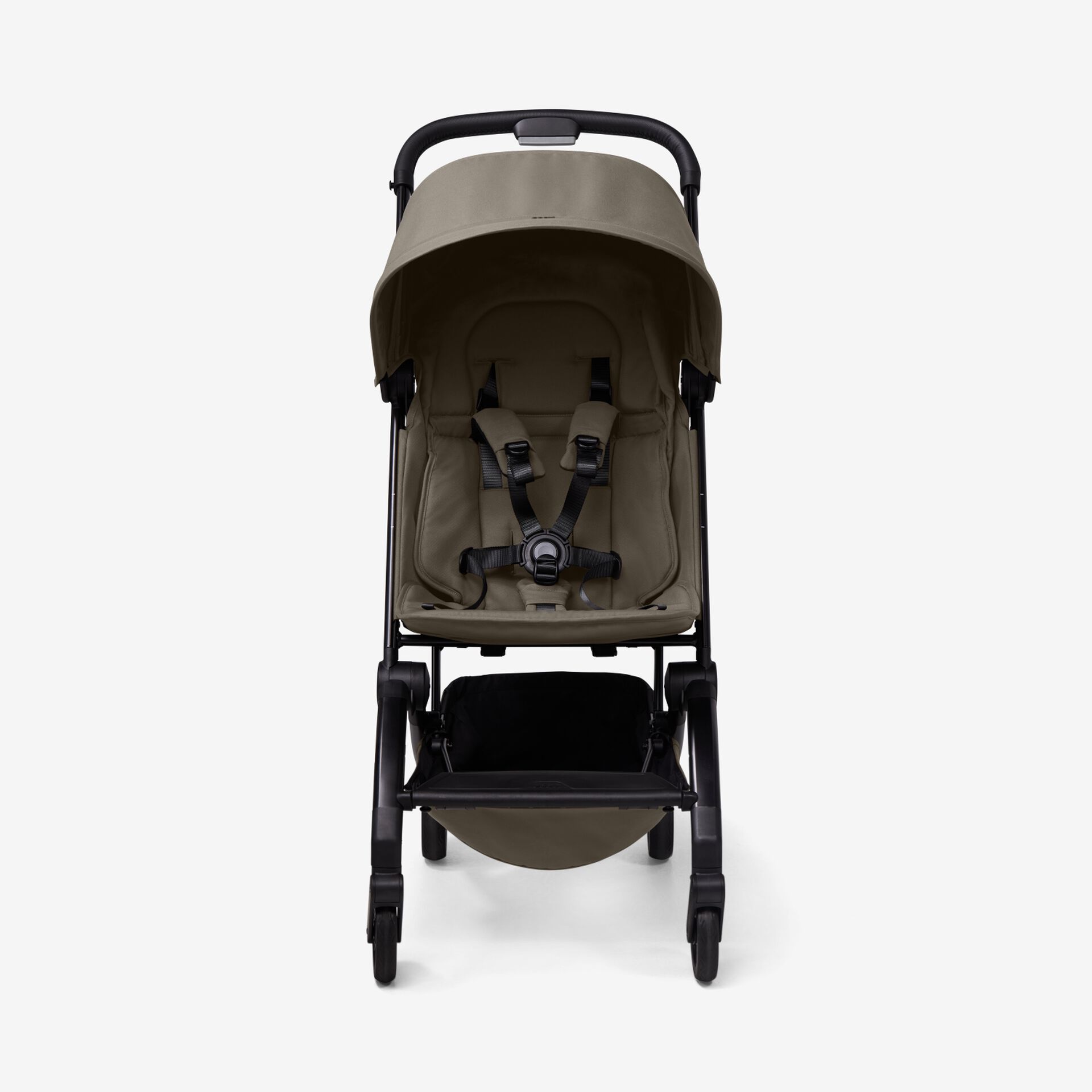
Best Lightweight: Joolz Aer+
Description: Great choice if carrying weight and easy transport are top priorities.
Specs: Ultra-light carry • cabin-size profile
- Pros: very easy to carry, smooth city use
- Cons: fewer budget-friendly deals

Best Value: Baby Jogger City Tour 2
Description: Useful middle-ground pick for families wanting solid function without premium pricing.
Specs: Compact fold • balanced comfort
- Pros: good value, practical fold, reliable use
- Cons: not the smallest in class

Best UK Brand: Silver Cross Jet
Description: Well-known UK travel stroller option for airport-heavy family routines.
Specs: Cabin-ready design • travel-focused frame
- Pros: travel-focused design, trusted brand
- Cons: can sell out in peak seasons
What lightweight should mean for flights
For air travel, lightweight is not just kilograms. It is how easily you carry, fold, and manage the pushchair while handling documents, baby gear, and boarding flow. A stroller can be light on paper and still awkward in real airport use.
Flight-day priorities in order
- fast fold under pressure
- easy carry balance
- compact folded footprint
- reliable wheel and frame feel
- comfortable seat for destination use
This order helps parents avoid buying by headline specs alone.
Cabin-friendly vs gate-check friendly
Some lightweight models can be cabin accepted, but policy still depends on airline and route. Gate-check friendly designs remain important even when a stroller is marketed for overhead use.
How to compare lightweight models fairly
- check folded dimensions and carry method
- look at seat comfort for long day use
- assess storage basket practicality
- review stability on uneven pavements
- check accessory compatibility if needed
When to pay premium
Premium is usually worth it if you fly often, use public transport heavily, or need daily one-hand fold reliability. If travel is occasional, a strong mid-range model is often enough.
Airport workflow tips
Do one fold/unfold rehearsal before travel day. At airport, remove loose accessories before gate boarding line. Keep backup baby carrier accessible. These small habits keep movement smooth even on delayed routes.
Parent profiles
Frequent flyer: premium compact plus protective bag.
Occasional holiday parent: value model with reliable fold.
City transport parent: low carry weight and narrow footprint first.
Final takeaway
Choose the lightest pushchair you can use confidently, not just the lightest one listed. Practical control at airports and real comfort at destination matter most.
Deep-dive: practical planning that saves time on travel day
Families usually think the hard part is choosing the right stroller. In practice, the hard part is execution on a busy day: packing, boarding lines, transfers, naps, and timing pressure. The best way to reduce stress is to build a repeatable routine before you travel, then run the same routine every time.
Start by defining your “minimum workable setup.” Keep only the items you truly need for two to three hours of movement without opening your full luggage. This should include nappies, wipes, one change layer, one snack option, and one comfort item. Everything else is secondary. This one change makes airport and station transitions far smoother.
How to build a repeatable parent workflow
- Night before: check policy, charge phone, set docs in one pouch, and stage stroller near exit.
- Before leaving: run a two-minute equipment check (fold lock, straps, wheels, accessories).
- At check-in: confirm stroller handling outcome and pickup location at destination.
- At security: keep child essentials in one quick-access pocket to avoid full bag disruption.
- At boarding: remove loose accessories first, then fold quickly and hand over calmly.
The point is not perfection. The point is lowering decision load when your child is tired and boarding lines are moving.
Decision framework for uncertain situations
Travel rarely goes exactly to plan. Delays happen. Gate changes happen. Staff instructions can vary by crew. Use this simple framework:
- Protect safety first: secure child, documents, and essentials.
- Protect mobility second: keep setup that allows fast movement.
- Protect gear third: bag and label stroller where possible.
When you prioritise in this order, choices become clearer under pressure.
What experienced parents do differently
Parents who travel well with babies tend to do ordinary things consistently. They avoid overpacking. They keep one fixed layout for essentials. They test fold/unfold at home before a trip. They label gear clearly. They ask direct questions early instead of assuming policy details. None of this is complicated. It is simply reliable.
They also avoid constant product switching. A familiar setup usually beats a new setup, even if the new item looks better on paper.
How to optimise internal travel segments
If your journey includes train transfers, taxi pickups, or long terminal walks, optimise for carry speed and setup simplicity. Keep your stroller configuration minimal during movement phases, then rebuild comfort setup once you are settled.
For example, keep rain covers and extra accessories packed during transfer windows unless weather requires immediate use. This avoids repeated attach/remove cycles that add friction and create delays.
Budget planning guidance for parents
You do not need premium everything. Spend where it removes repeated stress: fold reliability, carry ease, and protection where handling is rough. Save where impact is low: cosmetic extras or features you rarely use.
A sensible setup often beats an expensive setup. The best purchase is the one that works repeatedly in your real routine.
Final quality check before each trip
- Does your setup still match your current child stage and routine?
- Can one adult run the full process alone if needed?
- Are policy links and booking details easy to open quickly?
- Do you know the fallback if cabin handling changes at gate?
- Is your essentials pouch complete and consistent?
If all five are yes, you are ready. This is the practical standard most families need.
Useful links for ongoing planning
For updates and route-specific prep, keep these pages handy: CAA passenger guidance, GOV.UK hand luggage rules, and your airline’s family policy page. Pair this with internal planning guides like flying with a baby and baby travel checklist UK.
Consistent process beats last-minute improvisation. Build a routine once, refine it after each trip, and travel gets easier every time.
Extra planning notes for smoother outcomes
If you are unsure between two setups, choose the one you can run quickly when tired. Speed and repeatability matter more than small feature differences on real travel days. This is especially true with infants, where timing windows can change fast.
Also review your setup after each trip. Keep a short note on what worked and what caused friction. Over time, this creates a personalised system that fits your family better than any generic checklist.
Finally, keep communication simple with staff. Ask direct questions, confirm next steps, and stay flexible. Calm, clear planning usually turns difficult travel moments into manageable ones.
✈️ Free Baby Hand Luggage Checklist
Never forget the essentials. Enter your email and we'll send the free checklist straight to your inbox — one page, every category, ready before every flight.
Frequently Asked Questions
Can I take a pushchair on a plane?
Yes, you can take a pushchair on a plane. Most airlines allow you to check it in at the gate or put it in the overhead compartment if it meets size restrictions. For more details, visit our page on can you take a pushchair on a plane UK.
What is the best lightweight pushchair for air travel?
The best lightweight pushchair for air travel often depends on your specific needs, but models like the Babyzen YOYO2 and Maclaren Quest are highly recommended for their compact size and ease of use.
How do I pack a stroller for air travel?
To properly pack a stroller for air travel, first clean it to remove any debris. Then, fold it according to the manufacturer's instructions. Using a dedicated stroller bag can help protect it during transit. For more tips, check out our guide on how to pack a stroller for air travel.
Are there weight limits for pushchairs on flights?
While many airlines do not have a strict weight limit for pushchairs, it is crucial to check with your airline for specific guidelines, as they may have size or weight restrictions that could affect your travel.
Can I use my pushchair in the airport?
Absolutely! You can use your pushchair throughout the airport until you board the plane. Just be prepared to fold it up at security and the gate.