
Best Baby Carrier for Hot Weather Holidays (UK Parent Guide)
By BabyTravel UK Editorial Team · Last updated July 2026
In hot-weather holidays, the wrong baby carrier can make both parent and baby uncomfortable very quickly. Breathability, fit, and practical adjustability matter more than branding.
This guide keeps things practical and UK-parent focused, with clear product comparisons, buying criteria, and route-based decision advice.
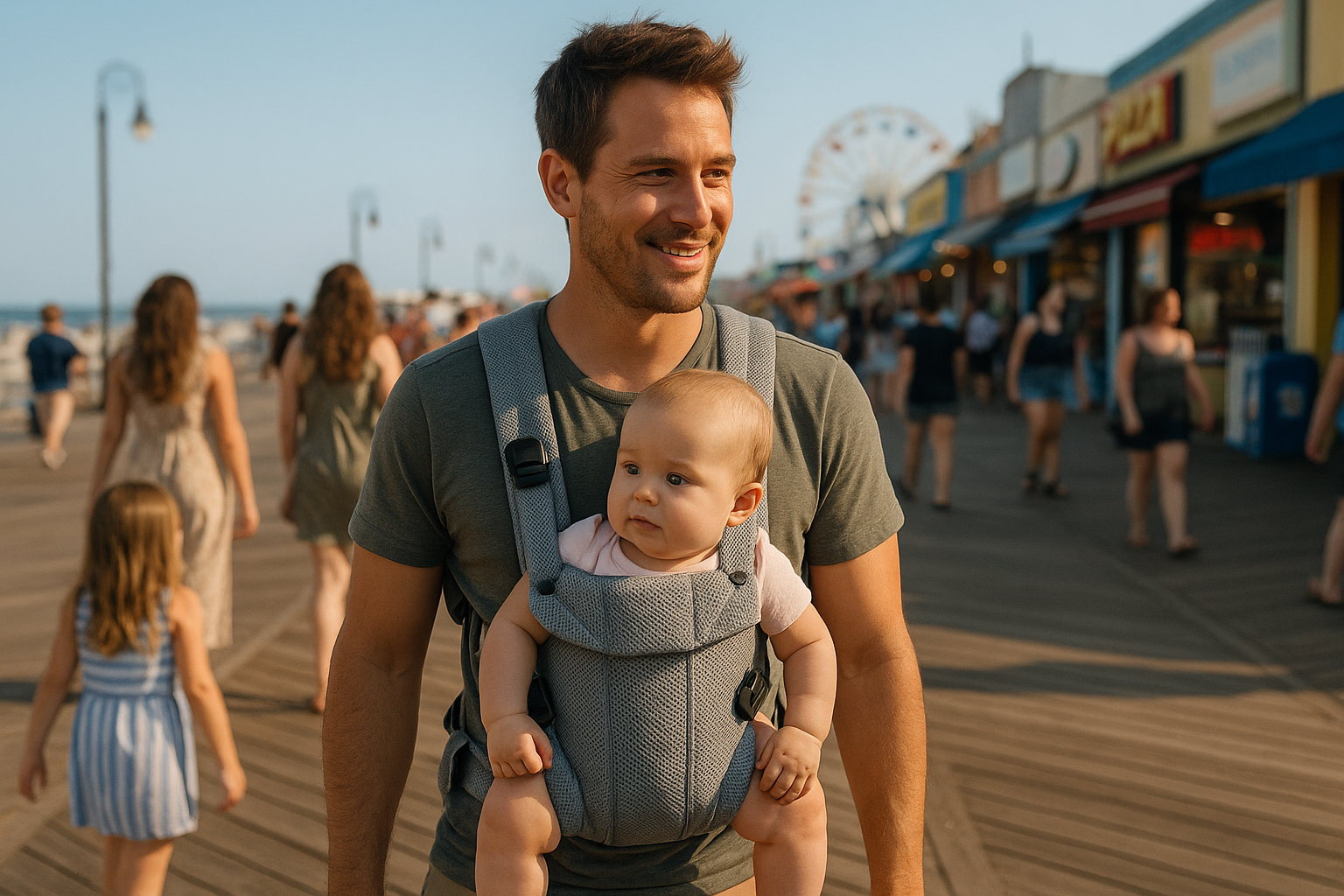
Quick picks table
| Category | Product | Link |
|---|---|---|
| Best Overall | Ergobaby Omni Breeze | Check price |
| Best Budget | Infantino Flip Advanced 4-in-1 Carrier | Check price |
| Best for Newborn to Toddler | Boba X Baby Carrier | Check price |
| Best Lightweight Mesh | Chicco EasyFit Air | Check price |
How to choose a baby carrier for hot weather holidays
For the keyword best baby carrier for hot weather holidays, the practical priority is airflow under load. Look for mesh-heavy fabric, shoulder comfort that stays stable when sweating, and easy adjustment so you can switch fit quickly during travel days.
In warmer destinations, short carrying intervals and setup flexibility often beat heavily padded carriers. You want a carrier that stays breathable on beach walks, airport queues, and city sightseeing without creating shoulder fatigue.
Top product breakdowns
📋 Free Baby Holiday Packing Checklist
Enter your email and we'll send the free printable checklist straight to your inbox — every category, ready to tick off before every trip.

Ergobaby Omni Breeze (Best Overall)
Why it works: practical day-to-day usability with good balance between comfort and convenience.
Check before buying: fit, fold/pack flow, and whether the setup matches your highest-frequency routine.

Infantino Flip Advanced 4-in-1 Carrier (Best Budget)
Why it works: practical day-to-day usability with good balance between comfort and convenience.
Check before buying: fit, fold/pack flow, and whether the setup matches your highest-frequency routine.
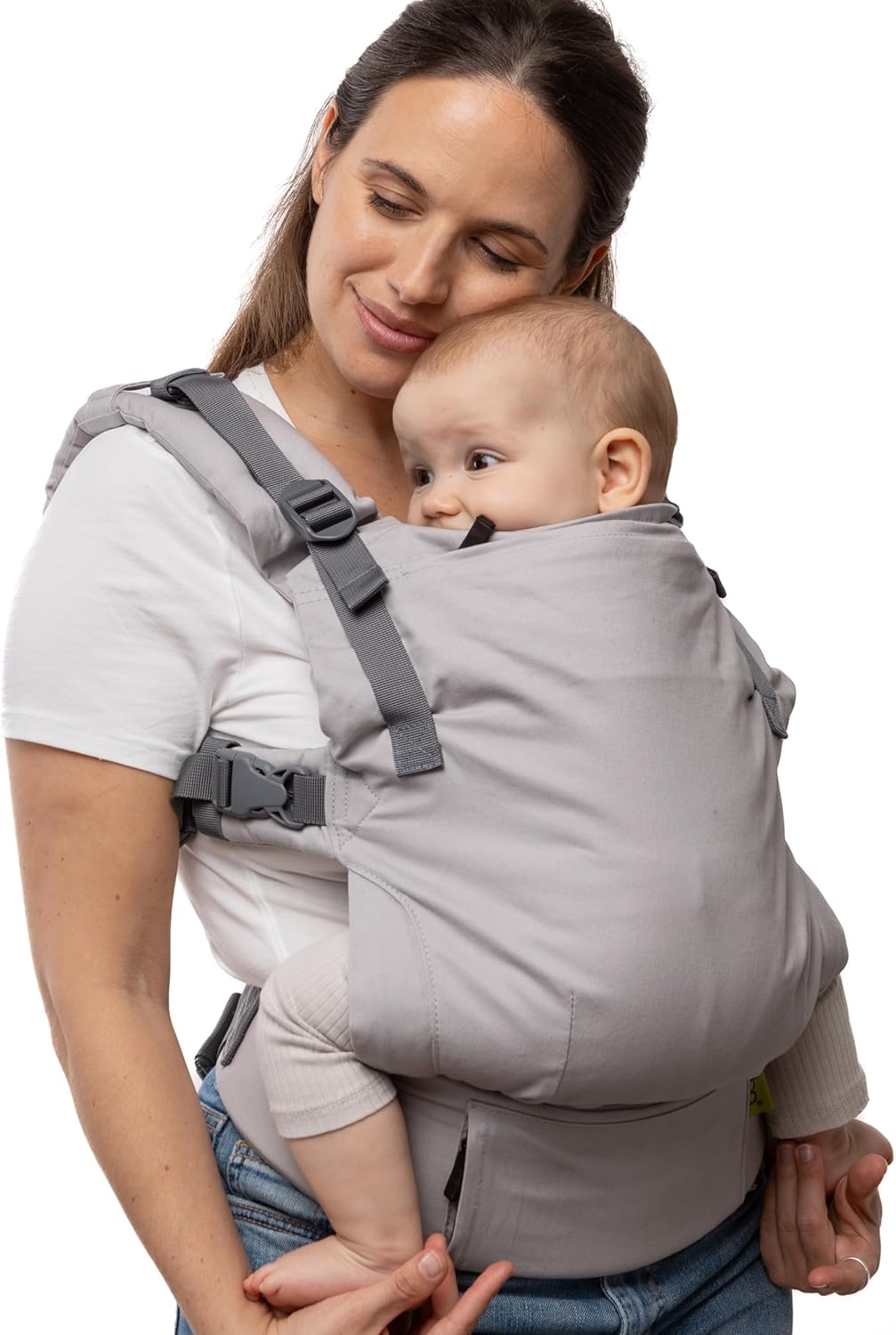
Boba X Baby Carrier (Best for Newborn to Toddler)
Why it works: practical day-to-day usability with good balance between comfort and convenience.
Check before buying: fit, fold/pack flow, and whether the setup matches your highest-frequency routine.

Chicco EasyFit Air (Best Lightweight Mesh)
Why it works: practical day-to-day usability with good balance between comfort and convenience.
Check before buying: fit, fold/pack flow, and whether the setup matches your highest-frequency routine.
Carrier fit checks for heat and travel
Do a 20-minute wear test with realistic baby weight. Check neck and lower-back comfort, then reassess after a short break. If pressure points appear quickly, that model is unlikely to perform well during full holiday days.
Also test ventilation behaviour. If the carrier traps heat at your chest and baby’s torso during mild movement, it will feel worse in warmer conditions.
Hot-weather carrying mistakes to avoid
Parents often choose thick padded carriers for comfort, then find they trap heat during holiday use. In warm destinations, breathable structure and airflow are usually more valuable than heavy padding.
Another common issue is overextending carry sessions. Even with a good carrier, short breaks, shade changes, and hydration timing are essential in hotter climates.
Heat-management routine for carrier days
Plan your day around temperature peaks. Use carriers for cooler morning and late-afternoon windows where possible, and switch to stroller or rest breaks during hotter midday periods.
- lightweight baby layers with breathable fabric
- scheduled shade breaks every 20–30 minutes
- quick strap readjustment checks after rest stops
This routine helps prevent overheating and keeps carrying practical for longer holidays.
Airport and resort transfer strategy
For flight days, choose the carrier that packs quickly and adjusts easily at security transitions. For resort days, choose the one that keeps airflow high during slower walking routes.
If one carrier does both reliably, that is usually the best value choice for hot-weather travel.
Bottom line for hot-weather baby carriers
The best baby carrier for hot weather holidays is the one that keeps parent and baby cooler while staying comfortable across repeated travel transitions. Breathability and fit consistency should decide the purchase.
Hot-weather carrier comparison framework
When comparing carriers for warm destinations, rate each option on three practical factors: airflow, pressure distribution, and adjustment speed. Airflow tells you whether heat build-up will be manageable. Pressure distribution tells you whether shoulders and lower back remain comfortable beyond short use. Adjustment speed matters because travel days include quick transitions where comfort setup must be fast.
A useful test is a 30-minute staged walk: 10 minutes level walking, 10 minutes with mild incline or stairs, 10 minutes stop-start movement. If the carrier stays breathable and stable through all three stages, it is usually a stronger holiday option.
Destination-specific planning
Beach towns: choose carriers that stay cooler in direct sun and dry quickly after humidity exposure. City breaks: prioritise quick adjustments and compact packability for transport transitions. Resort days: comfort over longer wear windows matters most. For hot-weather beach destinations specifically, our European beach holidays with a baby guide covers which resorts are most carrier-friendly in terms of terrain and shade.
This destination split helps you avoid buying on generic reviews and instead buy for the exact conditions you expect. When a carrier isn't enough — particularly on longer promenade stretches — our guide to strollers for hot weather covers the pushchair picks that work best alongside a carrier on warm-weather trips.
Heat-safe carrying habits
- plan carrying windows around cooler parts of the day
- use breathable baby clothing to reduce heat retention
- pause regularly for hydration and airflow resets
- recheck strap tension after each break
These habits improve real-world comfort more than most accessory add-ons.
Value and longevity for holiday carriers
The best value carrier is one you can use for both holiday travel and local summer days. If a model only performs in one narrow scenario, it may not justify full spend. Consider how often you will use it after the holiday, and whether fit still works as your baby grows.
A durable breathable carrier can deliver better long-term ROI than a premium option with weak airflow performance in heat.
Climate-specific packing and carry planning
Hot-weather holidays often involve repeated micro-transitions: hotel lobby to taxi, taxi to attraction, attraction to meal stop, then back again. The best carrier setup is one that can be adjusted quickly through these shifts without full reset every time. This is why strap memory and adjustment speed should be tested before purchase.
Pack a small “carry comfort kit” inside your day bag: spare muslin, lightweight baby top, hydration access, and a compact shade option. You are not trying to carry more gear; you are reducing avoidable discomfort during temperature spikes.
Baby age-stage fit in warmer conditions
Newborn and younger babies typically need more support and frequent pauses, while older babies can tolerate longer active windows if airflow remains strong. This means the same carrier can perform differently depending on age stage. For holiday planning, match carrier choice to your child’s current support and temperature tolerance needs rather than buying for theoretical later use.
As babies grow, weight distribution comfort becomes even more important for adults. A model that felt fine early can become shoulder-heavy later if adjustment range is limited.
Travel-day sequence example
- Set primary fit before leaving accommodation.
- Run quick comfort check after 10 minutes of movement.
- Schedule first cooling pause before visible fuss cues.
- Re-adjust after hydration or feed stop.
- Switch to stroller/arms for brief reset if needed.
This proactive sequence usually produces better comfort than waiting until overheating signs become obvious.
Related reading
- Sling vs pushchair for travel — which works best?
- Baby carriers and slings for travel
- Best strollers for hot weather holidays
- Is a travel pushchair worth it?
- Best baby-friendly European holidays
✈️ Free Baby Hand Luggage Checklist
Never forget the essentials. Enter your email and we'll send the free checklist straight to your inbox — one page, every category, ready before every flight.
FAQ
What carrier features help most in hot climates?
Breathable mesh panels, adjustable fit, and sensible weight distribution are the biggest comfort factors in warm conditions.
Is front-carrying always best in the heat?
Not always. Position choice depends on baby age and your comfort, but keeping airflow and posture support high is more important than one specific carry position.
How do I avoid overheating during sightseeing?
Use shaded routes, shorter wearing intervals, hydration breaks, and lightweight baby layers. Carrier setup and timing are just as important as product choice.
Can I use one carrier for both flights and walking days?
Yes, if the carrier stays comfortable through longer use and is quick to adjust during transitions.
What is the biggest hot-weather carrier mistake?
Choosing a carrier by style alone without checking airflow and fit under realistic use.
Use this page as a quick checklist when comparing final options so your decision stays aligned with your real routine.
Final reminder: the best buying decision is the one that makes your ordinary week easier, faster, and calmer without creating extra complexity that you will resent after month one.
Before checking out, do one last practical check: imagine your most rushed outing and walk through each step from preparation to return home. If the setup still feels clear and manageable in that rehearsal, it is probably the right fit. If it feels complicated, run one more comparison test now rather than dealing with weeks of avoidable friction later.