
Keeping Your Baby Cool in Hot Weather on Holiday (2026 Guide)
By BabyTravel UK Editorial Team · Last updated July 2026
Hot weather with a baby can feel like a full-time job, checking their neck for sweat, second-guessing whether they're too warm, wondering if that flushed look is normal or a sign of something worse. It's a reasonable thing to worry about. Babies can't regulate their temperature as well as adults, and they can't tell you when they're too hot, so the responsibility sits entirely with you.
The good news is that keeping a baby cool and safe in the sun mostly comes down to a handful of habits: shade, the right clothing, plenty of fluids, and knowing what to watch for. This guide covers all of it. For the sunscreen side of things, our sun safety guide goes into more detail on SPF and UV exposure.
Quick Answer
- ✅ Keep your baby out of direct sun between 11am and 3pm, when UV and heat peak
- ✅ Dress them in loose, light-coloured, breathable clothing rather than relying on sunscreen alone
- ✅ Offer frequent feeds, milk or water depending on age, to keep them hydrated
- 💡 Shade and airflow do more of the work than sunscreen, use both together
- ❌ Watch for flushed skin, irritability, unusual drowsiness, or heavy sweating (or none at all)
Shade and Shelter
The single most effective thing you can do is keep your baby out of direct sun during peak hours, roughly 11am to 3pm. Plan outings for the morning or late afternoon instead, and treat the middle of the day as nap time or pool-shade time rather than sightseeing time. A pop-up beach tent makes this easy on sand, giving your baby a shaded, ventilated space that travels in a bag.
For the pushchair, a proper parasol or clip-on sun cover with mesh panels lets air move through while still blocking direct sun. The Koo-di Sun & Sleep Cover is a popular option that fits most pushchairs and adds both shade and blackout for naps on the go.
An important safety point: never drape a blanket or muslin over a pushchair hood to create shade. It blocks airflow completely and can trap heat inside, creating what's sometimes called a greenhouse effect, where the temperature under the cover climbs well above the temperature outside it. The Lullaby Trust specifically warns against this. Use a proper ventilated cover instead.
Clothing
📋 Free Baby Holiday Packing Checklist
Enter your email and we'll send the free printable checklist straight to your inbox — every category, ready to tick off before every trip.
Loose, light-coloured, breathable fabrics work far better than tight or dark clothing in the heat. Cotton and bamboo are good choices because they let air circulate and absorb sweat rather than trapping it against the skin. A single light layer is usually enough, resist the urge to keep a vest on "just in case," babies overheat more easily than they get cold in summer weather.
A wide-brimmed sun hat that covers the ears and the back of the neck matters more than people expect, since these are areas that catch a surprising amount of sun. For water play, a UV swimsuit gives built-in sun protection without needing to reapply cream constantly on wet skin. If you're in shade, bare feet are completely fine and actually help with cooling.
Hydration
How you top up fluids depends on your baby's age and feeding. Breastfed babies need more frequent feeds in hot weather rather than extra water, breast milk adjusts to provide all the hydration they need, even in high temperatures. Formula-fed babies over six months can be offered small amounts of cooled, boiled water between feeds if they seem thirsty, though milk should still be their main source of fluid.
For babies who are weaning, water-rich foods help too. Watermelon, cucumber, and yoghurt are easy to offer and add to fluid intake without a fuss. Keep an eye out for signs of dehydration: fewer wet nappies than usual, darker urine, dry or cracked lips, and in younger babies, a sunken soft spot (fontanelle) on the head. Any of these are worth acting on quickly.
Cooling Products
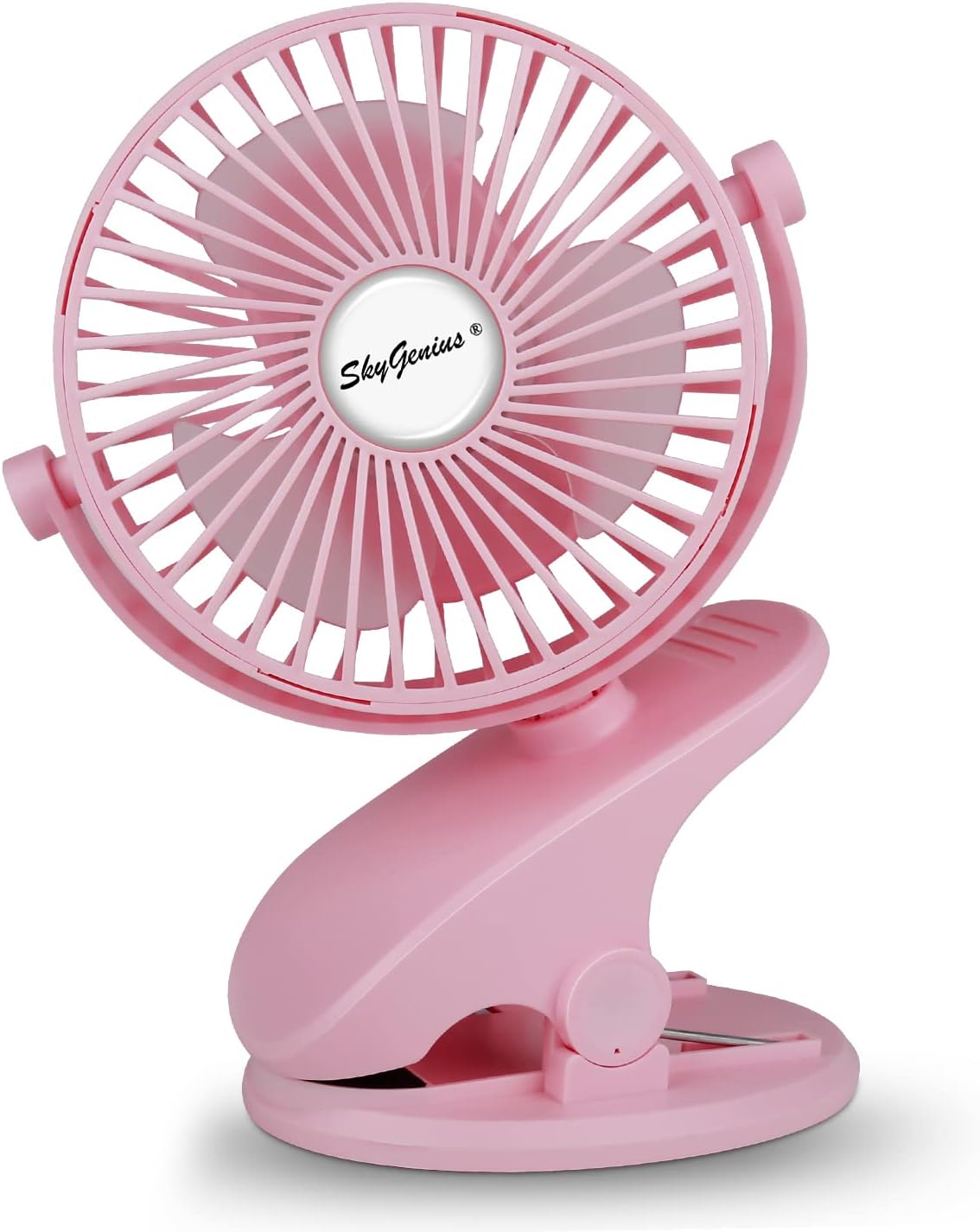
A few well-chosen products make hot days noticeably easier to manage. A clip-on pram fan, like the SkyGenius, attaches directly to the pushchair frame and gives a constant, gentle airflow that's much safer than a standing fan tipping over. A cooling mat or gel pad under the pushchair seat can also take the edge off on a long walk.
A damp muslin can help cool a baby down, but only over the car seat straps or their chest while supervised, never draped over a pushchair hood, for the same greenhouse-effect reason mentioned above. A cool (not cold) bath before bed helps lower body temperature ahead of sleep, and for nap time on holiday, a portable blackout blind like the Tommee Tippee Sleeptight keeps a hotel or apartment room dark and noticeably cooler by blocking direct sun through the window.
Sun Protection
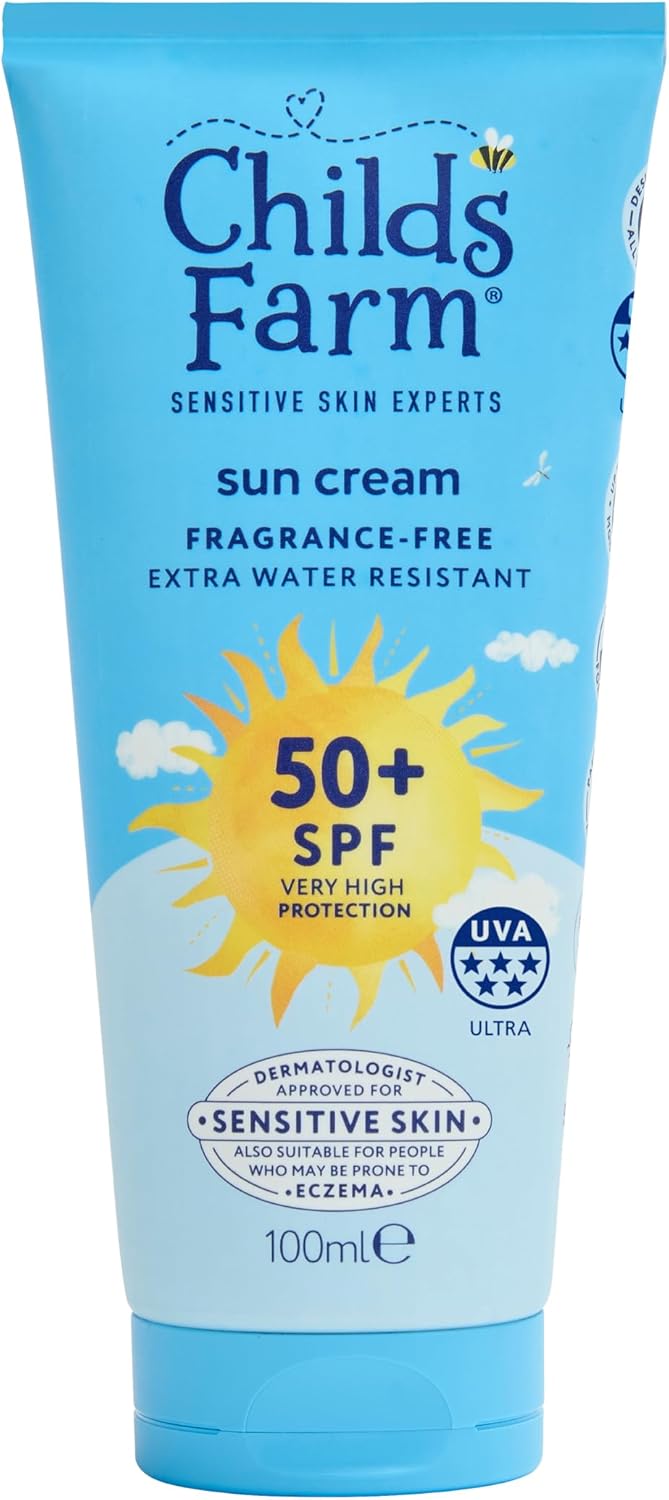
From six months, use an SPF50+ sun cream as part of the routine, reapplying every two hours and always after swimming or towel drying. Sunscreen is one layer of protection, not the whole strategy. Shade and clothing should always come first, with sun cream filling in the gaps rather than being relied on alone, particularly on very young babies.
Signs of Overheating: When to Worry
Know the warning signs so you can act early rather than waiting to see if things improve on their own. Watch for:
- Flushed, hot, red skin
- Rapid breathing
- Irritability or unusual fussiness
- Unusual drowsiness or difficulty waking
- Heavy sweating, or in more serious cases, no sweating at all despite the heat
- Fewer wet nappies than normal
No sweating at all is actually the more concerning sign, it can mean the body has stopped being able to cool itself. If you notice any of these, move your baby to shade or a cool room straight away, remove excess clothing, offer a feed or fluids, and cool their skin gently with damp (not ice-cold) cloths. If symptoms don't improve within about 30 minutes, or your baby seems increasingly unwell, seek medical help promptly. Trust your instincts here, it's always better to get checked than to wait and see.
When to Stay Indoors
In the UK, if the temperature climbs above 30°C, it's sensible to limit outdoor time to early morning and evening, and treat the hottest hours as indoor or shaded time. Abroad, this matters even more. Many Mediterranean destinations regularly hit 35°C or higher through July and August, so plan sightseeing or beach time for before 10am and after 4pm, and keep the middle of the day low-key.
A shaded pool area is often a cooler, safer option than an exposed beach in the middle of the day, since you get water to cool off in alongside proper shade. If you're weighing up destinations for a hot-weather trip, our guides to the best European beach holidays with a baby and Dubai with a baby cover how to manage the heat in specific places, and our best pushchairs for hot weather guide is worth a look if your current one doesn't breathe well.
Hot Weather Essentials
A handful of products come up again and again as genuinely useful for hot-weather trips:


A cooling gel pad for the pushchair seat and a wide-brimmed baby sun hat both earn their place too, since they are inexpensive and make a noticeable difference on a long, hot day out.
Our Tip: Booking a hotel? Look for air conditioning and a pool. Both make hot weather with a baby far more manageable.
Summer Gear Guides:
✈️ Free Baby Hand Luggage Checklist
Never forget the essentials. Enter your email and we'll send the free checklist straight to your inbox — one page, every category, ready before every flight.
Frequently Asked Questions
How do I keep my baby cool on holiday in hot weather?
Focus on shade during peak hours (11am to 3pm), dress your baby in loose, light-coloured, breathable clothing, and offer fluids more often than usual. Airflow matters too, a clip-on fan or a well-ventilated pushchair cover helps far more than clothing alone.
What temperature is too hot for a baby on holiday?
There's no single cut-off, but once temperatures pass 30°C, it's sensible to limit outdoor activity to early morning and evening. Above 35°C, which is common in parts of Southern Europe in July and August, keep outings brief and stay in shade or air conditioning through the middle of the day.
Can babies get heat stroke?
Yes, babies are more vulnerable to heat stroke than adults because their bodies regulate temperature less efficiently. Warning signs include hot, flushed skin, rapid breathing, unusual drowsiness, and heavy sweating or, in more serious cases, none at all. Seek medical help promptly if you're concerned.
Should I give my baby water in hot weather?
Breastfed babies don't usually need extra water, more frequent feeds provide all the hydration they need. Formula-fed babies over six months can have small amounts of cooled, boiled water between feeds if they seem thirsty, alongside their usual milk.
Is it safe to take a baby on holiday in a heatwave?
Yes, with sensible precautions. Plan around the hottest part of the day, prioritise shade and airflow over sunscreen alone, keep your baby well hydrated, and choose accommodation with air conditioning where possible. Watch for signs of overheating and adjust the day's plans if your baby seems unsettled.
Hot weather with a baby takes a bit more planning, but it's very manageable once you've got the basics in place: shade, airflow, loose clothing, and plenty of fluids. Keep half an eye on how your baby is coping through the day and you'll be able to relax and actually enjoy the trip.
Sources: NHS sun safety guidance, Lullaby Trust